
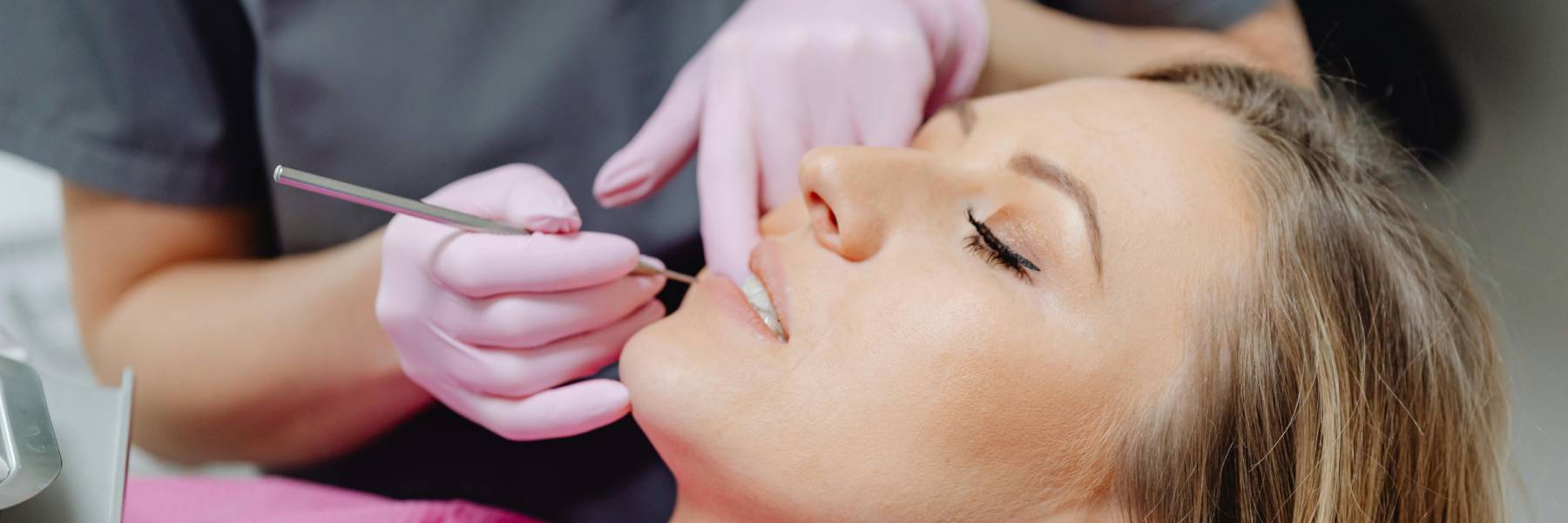
Many people who feel nervous about dental treatment ask: can a dentist put you to sleep?
The answer depends on what you mean by “asleep”. In most dental practices, sedation is used to make you feel calm, relaxed and sometimes very drowsy while you remain conscious. Being completely unconscious requires a general anaesthetic, which is very different from dental conscious sedation and is normally provided only through an appropriate specialist or hospital service.
For many anxious patients, conscious sedation combined with local anaesthetic can make dental treatment much easier without the additional risks associated with general anaesthesia.
Glow Dental offers options for nervous dental patients, including inhalation and intravenous (IV) conscious sedation.
Are You Actually Asleep During Dental Sedation?
No. During conscious sedation you remain conscious.
You may feel extremely relaxed or sleepy and your awareness of the treatment may be reduced, but you should remain able to respond to the dental team.
UK dental guidance defines conscious sedation as a state in which the patient remains conscious, retains protective reflexes and can understand and respond to verbal instructions.
Some people remember very little about treatment after IV sedation, which is one reason patients sometimes describe the experience as having been “asleep”. However, memory loss is not guaranteed.
You can read more about the distinction between conscious sedation and general anaesthesia in the NHS England clinical standards for dental anxiety management.
What Are the Different Ways a Dentist Can Help You Relax?
The most appropriate approach depends on your level of anxiety, medical history, the treatment you require and how well you can tolerate dental care.
Local Anaesthetic
Local anaesthetic does not make you sleepy. It temporarily numbs the area being treated so that dental treatment can be carried out without pain.
- You remain fully awake
- The area being treated becomes numb
- It is used for many routine dental procedures
- It can also be used alongside conscious sedation
Sedation and local anaesthetic therefore perform different jobs: sedation primarily reduces anxiety, while local anaesthetic prevents pain in the treatment area.
Inhalation Sedation: Nitrous Oxide and Oxygen
Inhalation sedation involves breathing a carefully controlled mixture of nitrous oxide and oxygen through a small nosepiece.
It is sometimes informally called “gas and air” or “happy gas”.
During inhalation sedation:
- You remain awake and able to communicate
- You may feel calm, warm or slightly light-headed
- The amount of sedative gas can be adjusted during treatment
- The effects generally wear off relatively quickly once the gas is stopped
A local anaesthetic may still be used where the dental procedure would otherwise be painful.
Inhalation sedation can be particularly useful for patients who are anxious about needles or who need some additional help relaxing during treatment.
IV Conscious Sedation
Intravenous (IV) conscious sedation involves administering sedative medicine through a small plastic tube called a cannula, usually placed in a vein in your hand or arm.
The medication is given gradually so that the dental team can achieve an appropriate level of sedation.
During IV sedation:
- You remain conscious and continue breathing for yourself
- You can still respond to the dental team
- You usually feel deeply relaxed and drowsy
- Your awareness of the treatment may be greatly reduced
- You may remember very little afterwards
Although some patients remember nothing about their appointment, complete amnesia cannot be guaranteed.
IV conscious sedation is not the same as having a general anaesthetic.
Oral Medication for Dental Anxiety
Medication may sometimes be considered to help manage severe anxiety before dental treatment.
A low dose of a benzodiazepine may occasionally be used as oral premedication for anxiety. This is not automatically the same as formal conscious sedation, and the distinction depends on the medication, dose and intended effect.
Medication such as diazepam is not suitable for everyone and should only be prescribed after an appropriate assessment.
Our separate guide explains whether a dentist can prescribe diazepam for dental anxiety, including the important safety and consent considerations.
What Is General Anaesthetic at the Dentist?
General anaesthesia is the only option in which you are genuinely unconscious.
Under general anaesthetic:
- You are unconscious and unaware of the procedure
- You do not respond to verbal instructions during treatment
- Your anaesthetic requires specialist medical management and monitoring
- There are greater risks than with conscious sedation
General anaesthesia is therefore not simply a stronger version of IV dental sedation.
Can You Ask Your Dentist for a General Anaesthetic?
You can discuss it, but general anaesthesia is not normally provided simply because a patient would prefer to be completely asleep.
Current NHS guidance recommends that patients are managed using the simplest and safest anxiety-management technique likely to be successful.
Before general anaesthesia is considered, options such as:
- Behavioural anxiety-management techniques
- Gradual or staged treatment
- Longer appointments
- Inhalation sedation
- IV conscious sedation
should normally be considered where appropriate.
General anaesthesia may be considered when treatment cannot reasonably be completed using these approaches, where a large amount of treatment is required, or because of particular medical, behavioural or treatment-related complexities.
Where Is Dental Treatment Under General Anaesthetic Carried Out?
Dental general anaesthesia requires a substantially different clinical environment and team from ordinary dental treatment under local anaesthetic or conscious sedation.
Patients who genuinely need dental treatment under general anaesthesia are normally referred to an appropriate specialist-led or hospital service for assessment.
General anaesthesia is therefore not something most patients can simply select as an alternative to local anaesthetic at a routine high-street dental appointment.
When Might Dental Sedation Be Helpful?
Conscious sedation may be considered when anxiety or another difficulty makes normal dental treatment challenging.
This may include patients who:
- Have severe dental anxiety or dental phobia
- Have previously avoided necessary dental treatment because of fear
- Have had a distressing previous dental experience
- Have a strong gag reflex
- Are particularly anxious about injections or a specific procedure
- Find long or complex appointments difficult to tolerate
- Require treatment that would otherwise be difficult for them to accept comfortably
Not everyone who feels nervous needs sedation. Anxiety can sometimes be successfully managed through good communication, taking treatment slowly, agreeing stop signals or dividing treatment into shorter appointments.
Our team regularly treats nervous and anxious dental patients and can discuss the different approaches available.
Is Dental Sedation Safe?
Conscious sedation has a good safety record when the patient has been appropriately assessed and the sedation is provided by a suitably trained dental team following recognised clinical standards.
Before recommending sedation, the dental team will consider factors such as:
- Your medical history
- Medicines you currently take
- Previous experiences with sedation or anaesthesia
- Your general health
- Your level of dental anxiety
- The treatment being planned
- Which sedation technique is most appropriate
During conscious sedation, appropriate monitoring is used and the dental team must have the necessary training, equipment and arrangements for recovery and discharge.
Not every sedation technique is suitable for every patient, which is why an individual assessment is important.
Will You Feel Pain During Dental Sedation?
Sedation itself is mainly used to reduce anxiety and awareness; it does not automatically numb the teeth.
Where treatment could be painful, local anaesthetic is normally used as well.
For example, during IV sedation you may first become relaxed and drowsy and then receive local anaesthetic to numb the tooth or surrounding area before treatment begins.
The aim is therefore to manage both anxiety and pain, using different techniques for each.
What Happens Before Dental Sedation?
You will normally have an assessment before planned conscious sedation.
The dental team may discuss:
- Your medical and dental history
- Any previous sedation or anaesthetic experiences
- Your medications and allergies
- What makes you anxious about dental treatment
- The procedure being planned
- Available alternatives
- Risks and expected benefits
- Instructions for before and after your appointment
- Escort requirements where applicable
Under General Dental Council standards, written consent is required when dental treatment involves conscious sedation or general anaesthesia. You can read the GDC standards on consent for further information.
Do You Need Someone to Take You Home After Sedation?
This depends on the type of sedation.
IV sedation normally requires a responsible adult escort. You will need someone to accompany you home and follow the aftercare instructions provided by your sedation team.
After IV sedation your judgement, coordination and memory may remain affected for some time even though you feel awake.
You will normally be advised not to:
- Drive or ride a motorcycle or bicycle
- Operate machinery
- Return to work immediately after treatment
- Drink alcohol
- Make important decisions or sign important documents
The exact restriction period and escort arrangements depend on the sedation technique and your provider’s instructions, so always follow the personalised advice you are given.
Inhalation sedation wears off much more rapidly and the aftercare requirements can be different. Your dentist will tell you whether an escort is required.
Will You Remember Dental Treatment Under IV Sedation?
Possibly, but many patients remember much less than they would without sedation.
Sedative medicines used for IV conscious sedation can affect memory. Some patients recall parts of the appointment, while others remember very little afterwards.
You should not be promised that you will remember absolutely nothing.
The important distinction is that even if your memory of the procedure is limited afterwards, you were still conscious and able to respond during treatment.
Is Sedation Better Than General Anaesthetic for Nervous Patients?
For many patients, conscious sedation provides enough anxiety control to allow dental treatment to be completed without the additional risks of general anaesthesia.
NHS England guidance recognises inhaled nitrous oxide with oxygen and titrated IV sedation as commonly used conscious-sedation techniques with an excellent safety record.
However, there is no single best option for every anxious patient. The appropriate technique depends on the individual, the treatment required and whether simpler anxiety-management methods are likely to work.
What If You Are Too Scared to Go to the Dentist?
Tell the dental practice that you are nervous when you make your appointment.
You do not necessarily need to arrive expecting treatment to start immediately. For someone who has avoided dentistry because of anxiety, an initial appointment can focus on:
- Discussing what makes you anxious
- Meeting the dental team
- Assessing your oral health
- Explaining your treatment options
- Deciding whether anxiety-management techniques or sedation may help
Our new patient appointments allow the team to understand your dental and medical history, concerns and treatment needs before creating an individual plan.
Can a Dentist Put You to Sleep? Key Points
- Conscious dental sedation does not make you fully unconscious.
- Inhalation sedation can help you feel calm while you remain awake and responsive.
- IV conscious sedation can make you very relaxed and drowsy, and you may remember little afterwards.
- Amnesia after IV sedation cannot be guaranteed.
- Local anaesthetic is normally used separately to prevent pain.
- General anaesthesia is the option that makes you genuinely unconscious.
- General anaesthesia carries greater risks and is normally reserved for patients for whom simpler approaches are unsuitable.
- Patients requiring dental treatment under general anaesthesia are usually referred to an appropriate specialist or hospital service.
- Not everyone is suitable for every form of sedation, so an individual assessment is required.
Dental Sedation for Nervous Patients at Glow Dental
If dental anxiety is preventing you from receiving the treatment you need, sedation may be one option to make your appointment more manageable.
At Glow Dental, we provide inhalation and IV conscious sedation for suitable patients and can also use non-drug anxiety-management techniques where these are more appropriate.
Our dental team will discuss your concerns, medical history and treatment needs before recommending the safest and most suitable approach.
Learn more about our care for nervous dental patients or arrange an appointment at our Battersea dental practice.
Written by:
Glow Dental
Published:
Last updated: