
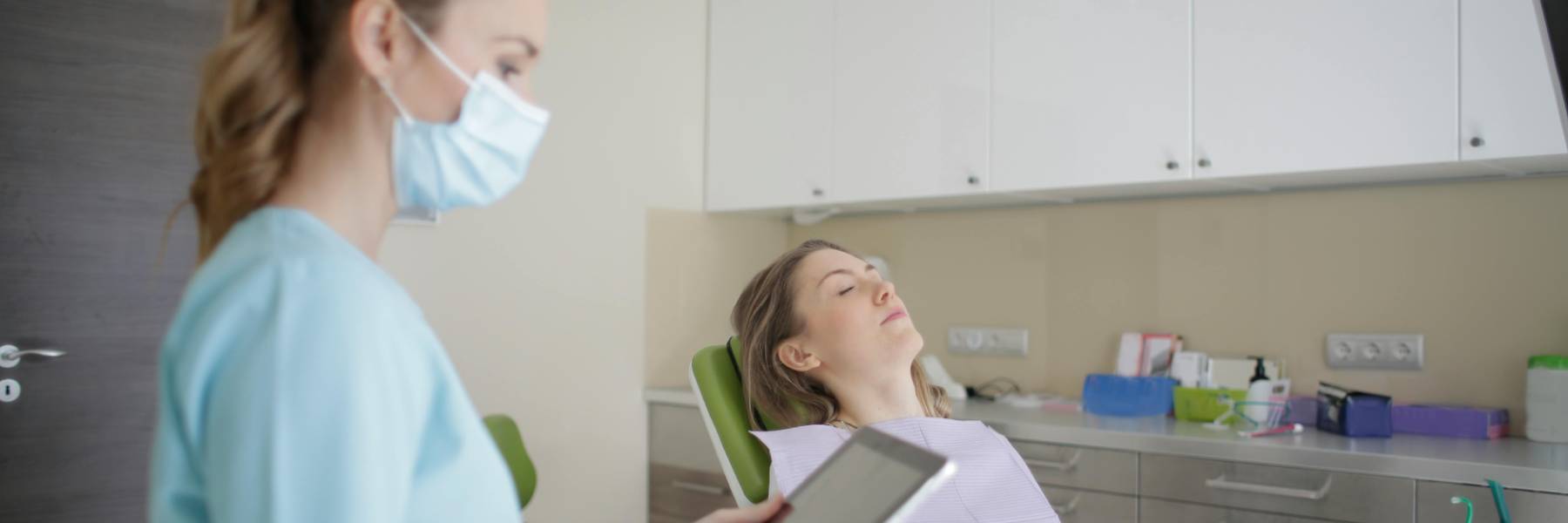
Patients with dental anxiety often ask: can a dentist prescribe diazepam?
Yes. A UK dentist can prescribe diazepam when it is clinically appropriate and directly related to dental treatment. However, diazepam is not suitable for every nervous patient, and it should not be viewed as a routine solution for dental anxiety.
Depending on the severity of your anxiety, your dentist may recommend reassurance and anxiety-management techniques, oral premedication or a form of sedation for nervous dental patients.
What Is Diazepam?
Diazepam is a benzodiazepine medicine. It has anxiety-reducing and sedative effects and can also cause muscle relaxation and drowsiness.
In dentistry, a benzodiazepine may occasionally be prescribed as oral premedication to reduce anxiety before treatment. The British National Formulary lists diazepam as a medicine that dental practitioners can prescribe and recognises diazepam and temazepam as anxiolytics that can be used for dental treatment in adults.
Diazepam is also a controlled drug, so a dentist will only prescribe it where there is a genuine clinical reason and after considering the patient’s medical history and other medication.
When Might a Dentist Consider Diazepam?
A dentist may consider medication for anxiety when a patient is very nervous about dental treatment and simpler approaches have not been sufficient.
This might include someone who:
- Has severe dental anxiety or dental phobia
- Has repeatedly postponed necessary dental treatment because of fear
- Finds it very difficult to attend or enter the dental surgery
- Has had a previous distressing dental experience
- Has significant anxiety about a particular procedure
Medication is not automatically necessary simply because you feel nervous. Many patients can be helped with a slower appointment, clear explanations, agreed stop signals and gradual exposure to treatment.
At Glow Dental, we regularly care for nervous and anxious dental patients and will discuss the least invasive approach that is likely to work for you.
Is Diazepam the Same as Dental Sedation?
Not necessarily. This is an important distinction.
UK dental sedation guidance allows a low dose of a benzodiazepine to be prescribed as oral premedication for anxiolysis. Its purpose may be to help a very anxious patient manage the period before treatment or their journey to the dental practice.
Oral premedication can therefore be used to reduce anxiety without necessarily producing a state of conscious sedation.
However, if a larger oral dose is used with the intention of producing sedation, it is considered oral conscious sedation. Formal dental sedation standards then apply, including appropriate assessment, trained staff, monitoring, facilities and recovery arrangements.
You can read more about the difference between sedation and being unconscious in our guide: Can a Dentist Put You to Sleep?
Can You Drive After Taking Diazepam for a Dental Appointment?
No. If you have been given benzodiazepine oral premedication for your dental appointment, you should not drive yourself to or from the practice.
Dental sedation guidance advises that a premedicated patient should:
- Be escorted to the dental practice
- Be accompanied home afterwards
- Not drive
- Follow the individual instructions supplied by the dentist
You should arrange for a responsible adult to accompany you before taking the medication.
Diazepam can cause drowsiness, slower reactions and reduced coordination. It is also one of the prescription medicines covered by UK drug-driving legislation.
Can You Drink Alcohol After Taking Diazepam?
No. Alcohol should be avoided when taking diazepam.
Both alcohol and diazepam depress the central nervous system. Combining them can substantially increase drowsiness and other adverse effects.
Always follow the instructions given by your dentist and the information supplied with the medicine.
Why Does Consent Need to Be Completed Before Taking Diazepam?
This is another important consideration.
A patient who has already taken benzodiazepine premedication may no longer be able to provide valid consent for dental treatment because the medicine can affect alertness and decision-making.
For this reason, the proposed dental treatment, alternatives, risks and costs should be discussed and consent obtained before the premedication is taken.
The General Dental Council also requires written consent where dental treatment involves conscious sedation.
Is Diazepam Safe for Dental Anxiety?
Diazepam can be appropriate for some adults when prescribed after an individual assessment, but it is not suitable for everyone.
Before prescribing it, a dentist will need to consider factors such as:
- Your medical history
- Your age and general health
- Other medicines you are taking
- Previous reactions to benzodiazepines
- Alcohol or drug use
- Conditions that may affect breathing
- Whether another anxiety-management technique would be safer or more predictable
Diazepam can cause drowsiness, dizziness, impaired coordination and reduced alertness. Benzodiazepines can also cause dependence when used repeatedly or for prolonged periods, which is one reason dental use is generally limited to specific short-term circumstances.
Particular caution is required when benzodiazepines are combined with other medicines that cause sedation, including opioid painkillers.
Will a Dentist Prescribe Diazepam Just Because I Ask for It?
No. Diazepam is a prescription medicine and the decision to prescribe it belongs to the treating dentist following an appropriate clinical assessment.
A dentist may decide that diazepam is unsuitable or that another way of managing anxiety would be safer and more effective.
Dentists prescribe medicines in connection with dental treatment. If you need medication for ongoing general anxiety, panic disorder, insomnia or another non-dental condition, this would normally need to be discussed with your GP or another appropriate medical professional.
What Are the Alternatives to Diazepam for Dental Anxiety?
Diazepam is only one possible option. Many patients do not need medication at all.
Depending on your anxiety and the treatment required, options may include:
- Taking treatment slowly and explaining each stage beforehand
- Agreeing a signal that allows you to stop treatment at any time
- Shorter or staged appointments
- Distraction and relaxation techniques
- Inhalation sedation using nitrous oxide and oxygen
- Intravenous (IV) conscious sedation
Glow Dental offers anxiety-management options including inhalation and IV sedation for nervous patients. The most suitable approach depends on your medical history, level of anxiety and the dental procedure being carried out.
Diazepam or IV Sedation: Which Is Better?
Neither option is automatically better for everyone.
Low-dose oral premedication may be useful for some patients whose main difficulty is anxiety before arriving at the practice.
For patients who require conscious sedation during treatment, techniques such as inhalation sedation or titrated intravenous sedation can offer greater control over the level of sedation and are delivered by appropriately trained dental teams.
Current dental sedation guidance recommends using the simplest and safest effective technique based on the individual patient’s needs.
What Should You Do If Dental Anxiety Is Stopping You Having Treatment?
Tell the practice when you book rather than waiting until you are already in the dental chair.
Knowing that you are anxious gives the dental team an opportunity to understand what worries you, allow appropriate appointment time and discuss possible anxiety-management options before treatment.
If you have avoided dentistry for some time because of fear, you can also read our information for new dental patients. The first appointment can focus on assessment and discussing your concerns rather than immediately carrying out treatment.
Can a Dentist Prescribe Diazepam? Key Points
- Yes, dentists in the UK can prescribe diazepam for appropriate dental indications.
- It may sometimes be used as low-dose oral premedication for severe dental anxiety.
- Oral premedication is not automatically the same as conscious sedation.
- Higher-dose oral benzodiazepine sedation is subject to formal dental sedation standards.
- You should not drive after taking benzodiazepine premedication for a dental appointment.
- You will normally need an adult escort to and from the practice.
- Alcohol should be avoided while taking diazepam.
- Consent for treatment should be completed before the medication is taken.
- Diazepam is not suitable for everyone and should only be used following individual assessment.
- Inhalation sedation, IV sedation and non-drug anxiety-management techniques may be better alternatives for some patients.
Dental Anxiety Treatment at Glow Dental
If fear or anxiety is preventing you from receiving dental care, you do not need to decide for yourself whether diazepam or sedation is the right answer.
Our team can discuss what makes you anxious, assess the treatment you need and explain suitable ways to make your appointment more comfortable.
Learn more about our care for nervous dental patients or arrange an appointment at our Battersea dental practice.
Written by:
Glow Dental
Published:
Last updated: