
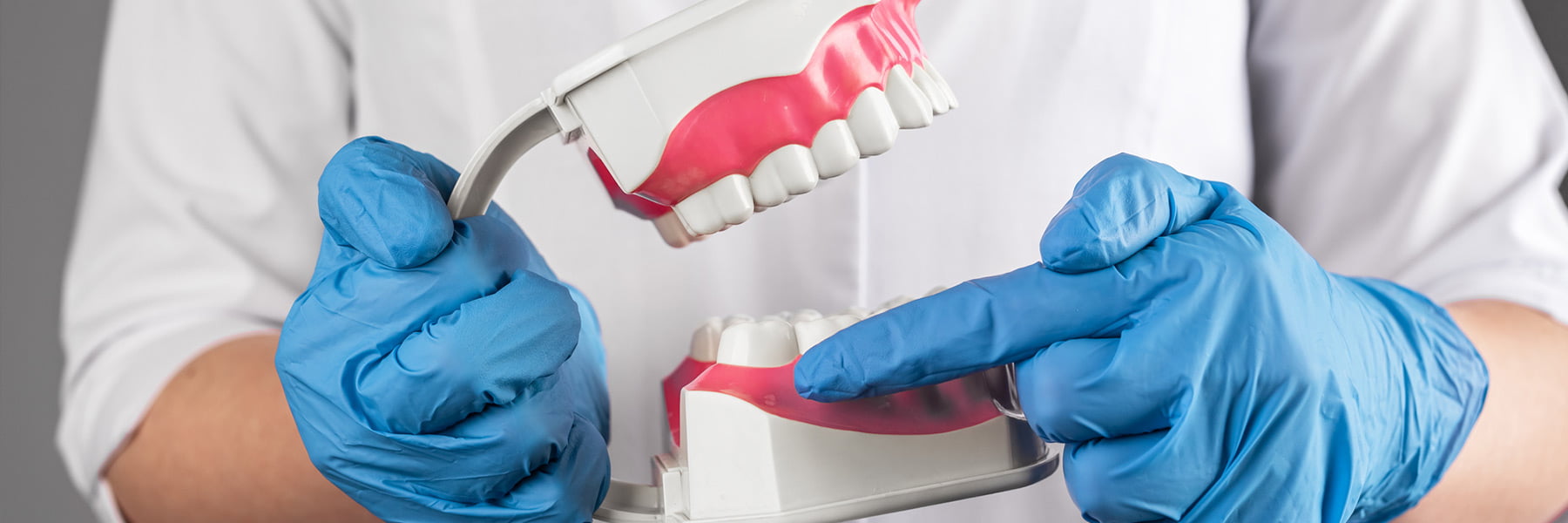
Yes. Dentists and dental hygienists can safely remove tartar from your teeth. Tartar — also called dental calculus — is plaque that has hardened after minerals from saliva become incorporated into it. Once this happens, ordinary brushing and flossing cannot remove it effectively.
Professional instruments are needed to remove calculus from above and, where necessary, below the gum line.
If you can see hard yellow or brown deposits around your teeth, your gums bleed when you brush, or your mouth never feels completely clean despite good brushing, a professional dental hygiene appointment can assess whether tartar is contributing to the problem.
What Is Tartar?
Your teeth are constantly exposed to a thin bacterial biofilm known as dental plaque.
Plaque itself is soft and can usually be removed by effective brushing and cleaning between the teeth. If plaque remains undisturbed, however, minerals in saliva can cause some of it to harden into dental calculus.
Calculus can develop:
- Above the gum line
- Between the teeth
- Around crowded teeth
- Behind the lower front teeth
- Around the outside of upper back teeth
- Below the gum line in people with periodontal disease
The areas around the lower front teeth and upper molars often accumulate calculus relatively quickly because they are close to the openings of major salivary glands.
What Is the Difference Between Plaque and Tartar?
Plaque and tartar are related, but they are not the same thing.
Plaque
Plaque is a soft, sticky bacterial biofilm that continually forms on the teeth.
You can usually remove plaque at home by:
- Brushing effectively twice daily
- Cleaning along the gum line
- Using interdental brushes or floss between teeth where appropriate
Tartar or Calculus
Calculus is plaque that has become mineralised and hardened.
Once firmly attached to the tooth surface, it normally requires professional dental instruments to remove it.
This distinction is important because you can prevent much tartar formation by removing plaque before it has time to harden.
Why Does Tartar Need to Be Removed?
Calculus has a rough surface that can make it easier for additional plaque to accumulate and can make effective cleaning more difficult.
Current UK preventive dental guidance therefore recommends professionally removing calculus where it interferes with effective plaque control.
Tartar and Gum Disease
Gingivitis and periodontitis are primarily caused by the body’s inflammatory response to bacterial plaque, rather than the mineralised calculus itself.
However, tartar can create a plaque-retentive surface close to the gums and make it much harder to keep these areas clean.
This can contribute to signs such as:
- Bleeding gums
- Red or swollen gums
- Persistent bad breath
- Increasing periodontal pocketing in susceptible patients
If gingivitis progresses to periodontitis, inflammation can affect the tissues and bone supporting the teeth.
Patients with established gum disease may require more advanced treatment than an ordinary hygiene clean. Glow Dental provides specialist periodontal treatment for patients with more complex gum problems.
Does Tartar Cause Tooth Decay?
Not directly.
Tooth decay develops when bacteria within dental plaque metabolise sugars and produce acids that repeatedly demineralise the tooth surface.
Calculus itself is not the acid-producing cause of a cavity. However, because rough calculus deposits can make plaque control more difficult, they can indirectly create areas where plaque is harder to remove.
The most important steps for preventing decay remain:
- Brushing twice daily with fluoride toothpaste
- Reducing the frequency of sugary foods and drinks
- Cleaning plaque effectively
- Attending appropriate dental examinations
Can Tartar Cause Bad Breath?
Tartar itself is not necessarily the sole cause of bad breath, but it can contribute by providing a rough surface where plaque and bacteria accumulate.
Persistent bad breath can also be associated with:
- Gingivitis
- Periodontitis
- Poor interdental cleaning
- Dry mouth
- Smoking
- Food trapped around teeth or dental restorations
If bad breath continues despite good home care, a dental examination can help identify whether the cause is coming from the teeth, gums or another source.
What Does Tartar Look Like?
Calculus can look different depending on where it develops.
Tartar above the gum line is often:
- White
- Cream
- Yellow
- Brown when stained
It commonly appears as a hard crust-like deposit close to the gum line or between teeth.
Calculus below the gum line can be darker because it may incorporate pigments from blood within the gum tissues. It may appear brown or almost black.
Deep calculus is not necessarily visible when you look in the mirror, which is one reason periodontal assessment is important when gum disease is suspected.
Why Does Tartar Build Up Behind the Bottom Front Teeth?
This is one of the most common places for calculus to accumulate.
The ducts of the submandibular and sublingual salivary glands open underneath the tongue close to the lower front teeth.
Because saliva contains minerals including calcium and phosphate, plaque in this area can mineralise relatively quickly if it is not thoroughly removed.
Crowding can make the area even harder to clean.
How Does a Dentist or Hygienist Remove Tartar?
Tartar is removed using a process called scaling.
At Glow Dental, hygiene appointments include professional removal of plaque and calculus using specialist dental instruments.
Ultrasonic Scaling
An ultrasonic scaler uses a rapidly vibrating tip together with water to break deposits away from the tooth surface.
You may notice:
- Vibration
- Water spray
- A gentle scraping sensation
- Occasional sensitivity around exposed areas
The vibration helps disrupt hard deposits without the hygienist needing to physically scrape every piece away by hand.
Hand Scaling
Fine hand instruments may also be used to remove remaining calculus and access particular areas around the teeth.
Using a combination of ultrasonic and hand instruments allows the clinician to tailor treatment to the location and amount of calculus present.
Can Tartar Below the Gum Line Be Removed?
Yes.
If calculus has developed below the gum line, professional periodontal instrumentation can be used to clean affected tooth and root surfaces.
However, this is different from a simple cosmetic “scale and polish”.
People with periodontitis may have deeper pockets between the tooth and gum where plaque and calculus accumulate on the root surfaces. Treatment may therefore be more extensive and may require:
- Detailed periodontal assessment
- Subgingival instrumentation
- Several treatment sessions
- Local anaesthetic where required
- Ongoing periodontal maintenance
For more advanced cases, our periodontics team at Glow Dental can assess the health of the gums and supporting bone.
What Is a Scale and Polish?
People often use “scale and polish” as one phrase, but the two parts serve different purposes.
Scaling
Scaling removes plaque and hardened calculus. This is the clinically important part when tartar is present.
Polishing
Polishing can help remove some superficial staining and leave the teeth feeling smooth and clean.
Stains commonly associated with:
- Tea
- Coffee
- Red wine
- Smoking
- Some strongly pigmented foods
may improve following professional cleaning.
However, polishing is not necessarily required after every episode of scaling. The hygienist can determine whether polishing provides a useful benefit in your particular case.
Does a Scale and Polish Whiten Your Teeth?
A professional clean can make teeth appear brighter by removing external staining and deposits, but it does not change the natural underlying colour of the teeth.
This is different from professional teeth whitening, which uses whitening agents to lighten the colour within natural tooth structure.
If your teeth look darker mainly because of tea, coffee or tobacco staining, a hygiene appointment may improve their appearance without whitening treatment.
Can a Dentist Remove Black Tartar?
Yes. Dark or black calculus can often be removed professionally.
Dark deposits around or below the gum line can be associated with staining and subgingival calculus, particularly where periodontal pockets are present.
If you notice hard black deposits around your teeth, it is worth having them professionally assessed rather than assuming they are simply cosmetic stains.
Can You Remove Tartar at Home?
Once calculus has firmly hardened onto a tooth, you should not try to scrape it away yourself.
Metal scraping tools sold online may look similar to professional dental instruments, but using them without training can result in:
- Damage to the gums
- Bleeding
- Scratching of root surfaces
- Trauma to dental restorations
- Missing deeper deposits that you cannot see
The goal at home should therefore be to prevent plaque from mineralising into tartar, rather than attempting DIY tartar removal.
Can Baking Soda, Vinegar or Lemon Remove Tartar?
No home remedy should be relied upon to remove established dental calculus.
Highly acidic substances such as lemon juice or vinegar can also contribute to erosive damage to tooth enamel if teeth are exposed to them frequently.
Abrasive powders and aggressive scrubbing can also damage exposed root surfaces or contribute to wear.
If a deposit is hard enough that normal brushing does not remove it, have it assessed professionally.
Does Tartar Removal Hurt?
For many patients, routine removal of small amounts of calculus causes little or no discomfort.
You may notice:
- Vibration from an ultrasonic scaler
- Water around the teeth
- Pressure
- Temporary sensitivity
Treatment can feel more sensitive if:
- Your gums are significantly inflamed
- You already have exposed tooth roots
- You have substantial calculus below the gum line
- You have deeper periodontal pockets
Where more extensive periodontal instrumentation is required, local anaesthetic can be used when appropriate to keep treatment comfortable.
Why Do Teeth Sometimes Feel Different After Tartar Removal?
If you have had substantial calculus deposits for a long time, your teeth may feel unusual immediately after they are removed.
You might notice:
- More space between certain teeth
- The teeth feeling smoother
- Temporary sensitivity
- The gum line feeling different
This does not mean scaling has created gaps between healthy teeth. Large calculus deposits can occupy spaces and cover parts of tooth surfaces, so removing them can reveal the underlying anatomy.
Where gum disease has already caused gum recession or loss of supporting tissue, this can also become more noticeable once deposits are removed.
Can Tartar Removal Damage Teeth?
Professional scaling is intended to remove deposits while preserving healthy tooth structure.
It is normal for exposed dentine or root surfaces to feel temporarily sensitive after calculus has been removed, particularly in patients with gum recession or periodontal disease.
This is different from the idea that professional cleaning “removes enamel”.
Repeated unnecessary instrumentation is not beneficial, however, which is another reason professional cleaning should be based on your clinical needs rather than automatically carried out at a fixed interval for every patient.
Does Tartar Come Back After a Professional Clean?
It can.
Plaque starts forming again soon after the teeth have been cleaned. If that plaque is not removed effectively, some of it can eventually mineralise into calculus.
Some people naturally develop tartar more quickly than others because of differences in:
- Saliva
- Tooth position
- Oral-hygiene effectiveness
- Gum health
- Dental appliances
Professional cleaning does not permanently prevent calculus. The most important long-term defence is effective daily plaque removal.
How Can You Reduce Tartar Build-Up?
Brush Twice a Day
Brush all tooth surfaces and the gum line at least twice daily with fluoride toothpaste.
Most adults should use toothpaste containing 1,350–1,500 ppm fluoride.
Clean Between Your Teeth Every Day
A toothbrush cannot effectively clean every interdental surface.
Current UK preventive guidance recommends daily interdental cleaning for adults. Interdental brushes are generally preferred where there is enough space for them to fit, while floss or tape can be useful in tighter contacts.
Use a Manual or Powered Toothbrush Effectively
Both manual and powered toothbrushes can clean teeth effectively.
You do not need an electric toothbrush simply because you develop tartar. What matters most is that your chosen brush allows you to remove plaque thoroughly from every tooth and along the gum line.
Do Not Smoke
Smoking is a major risk factor for periodontal disease and can also contribute to staining of plaque and calculus.
If you smoke, stopping can provide substantial benefits for both your oral and general health. Glow Dental offers smoking cessation advice.
Improve Cleaning Around Braces, Bridges and Other Dental Work
Dental appliances and restorations can create additional areas where plaque accumulates.
Your hygienist can recommend suitable:
- Interdental brushes
- Single-tufted brushes
- Flossing aids
- Other cleaning techniques
How Often Should You Have Tartar Removed?
There is no single correct interval for everybody.
The traditional idea that every patient automatically needs a scale and polish every six months is not supported by strong evidence.
A Cochrane review of adults without severe gum disease found little or no difference in gingivitis or periodontal pocket measurements between people having routine six- or twelve-monthly scale and polish appointments and those who only received treatment when clinically indicated.
Your hygiene frequency should therefore take account of factors such as:
- How quickly you accumulate calculus
- Whether your gums bleed
- Your periodontal history
- How effectively you remove plaque at home
- Whether you smoke
- Whether you have dental implants or complex restorations
- Whether you are undergoing active gum treatment
Some Glow Dental patients benefit from appointments around every six months, while those with gum disease or higher risk may need more frequent supportive care. Your hygienist can recommend an interval based on your individual findings.
Is a Hygiene Appointment the Same as a Dental Check-Up?
No. They have different purposes.
A hygiene appointment focuses primarily on:
- Plaque and calculus removal
- Gum health
- Professional cleaning
- Oral-hygiene instruction
- Interdental-cleaning advice
A dental examination has a broader diagnostic role and can assess:
- Tooth decay
- Existing fillings and restorations
- Cracks and tooth wear
- The gums
- Your bite
- Soft tissues of the mouth
- Other oral-health problems
Glow Dental also routinely carries out oral cancer screening during dental examinations.
When Is Tartar a Sign of Gum Disease?
Having a small amount of calculus does not automatically mean you have periodontitis.
However, you should have your gums assessed if calculus is accompanied by:
- Regular bleeding when brushing
- Red or swollen gums
- Persistent bad breath
- Gum recession
- Loose teeth
- Increasing spaces between teeth
- Pus around the gums
- Changes in the way your teeth meet
Early gingivitis can often improve significantly when plaque is controlled effectively.
Periodontitis involves deeper damage to the supporting tissues and requires more structured management. Our specialist periodontics service is available for patients with more advanced periodontal problems.
Frequently Asked Questions About Tartar Removal
Can I remove tartar by brushing harder?
No. Once calculus has hardened, increasing brushing pressure is unlikely to remove it and may instead traumatise the gums or contribute to wear around exposed tooth roots.
Can floss remove tartar?
Floss can help remove soft plaque between closely contacting teeth, but it cannot reliably remove firmly attached calculus.
Does mouthwash remove tartar?
No. Mouthwash does not dissolve established dental calculus. Mechanical plaque control and professional removal of existing hard deposits are still required.
Does tartar removal hurt?
Routine scaling is comfortable for many people, although inflamed gums, exposed roots and deeper calculus can make treatment more sensitive. Local anaesthetic may be used for more extensive periodontal treatment where necessary.
Can tartar removal make teeth loose?
Professional tartar removal does not normally loosen healthy teeth. If a tooth feels mobile after substantial calculus has been removed, underlying periodontal disease may already have reduced the bone supporting that tooth.
Does removing tartar leave gaps?
It can reveal spaces that were previously occupied or obscured by large deposits. Gum recession and tissue loss caused by periodontal disease can also become more apparent once calculus is removed.
Does tartar removal whiten teeth?
It can remove surface stains and make the teeth look cleaner and brighter, but it does not bleach the natural tooth colour in the way professional whitening does.
Is polishing necessary after tartar removal?
Not in every case. Polishing may be useful for removing external staining and improving surface smoothness, but scaling is the part that removes calculus. Your hygienist can decide whether polishing is appropriate.
How long does a hygienist appointment take?
The length varies according to how much treatment you need. A routine hygiene appointment may be relatively short, while treatment for significant periodontal disease may require longer or multiple appointments.
How often should I have a scale and polish?
There is no evidence-based rule that every adult needs one every six months. The appropriate interval should depend on your gum health, calculus build-up, oral-hygiene effectiveness and individual risk.
Tartar Removal at Glow Dental in Battersea
If hard deposits have built up around your teeth, professional cleaning can remove calculus that ordinary brushing cannot.
At Glow Dental in Battersea, our dental hygienists assess your gums, remove plaque and tartar and provide personalised advice to help you keep the teeth clean between appointments.
If there are signs of more advanced gum disease, we can also arrange assessment through our periodontal service.
For complete oral-health monitoring, combine appropriate hygiene care with regular dental examinations at an interval recommended for your individual risk.
If you are concerned about tartar, bleeding gums or persistent bad breath, contact Glow Dental in Battersea to arrange an appointment.
For independent evidence-based advice, you can also read the UK Government’s Delivering Better Oral Health guidance on oral hygiene.
Written by:
Glow Dental
Published:
Last updated: