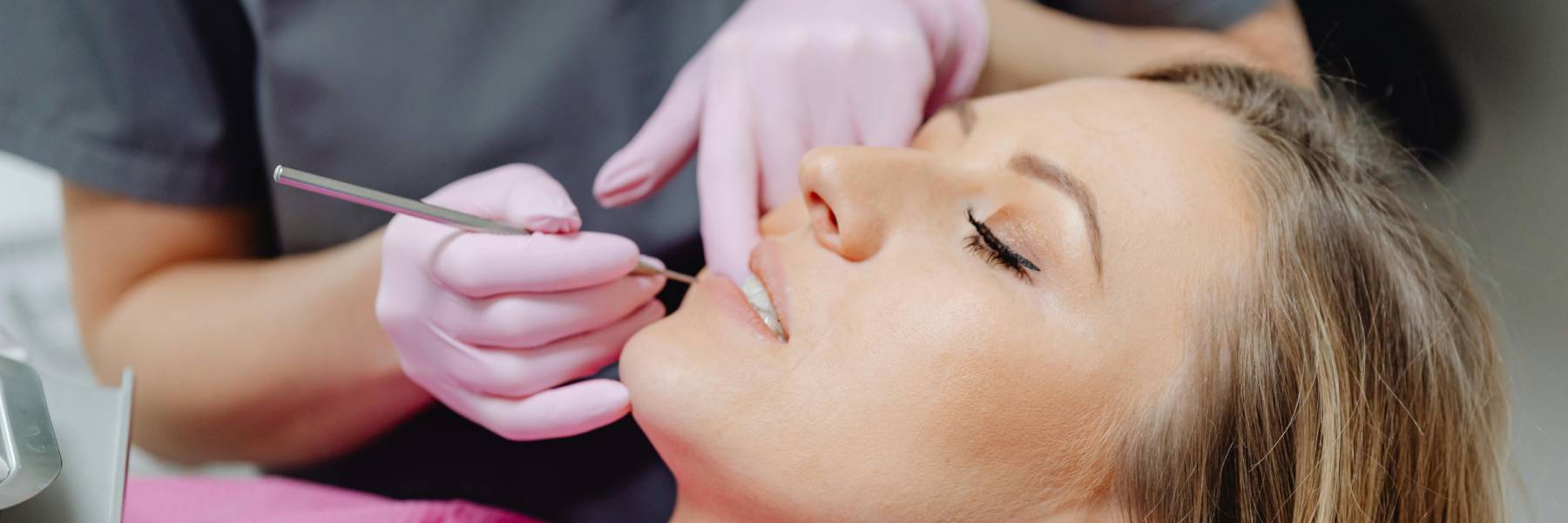
Many people feel nervous about dental treatment and ask: can a dentist put you to sleep?
The answer is yes—but it depends on what you mean by “sleep”, the type of treatment, and whether
sedation is suitable for you.
Dentists can use different levels of sedation to help you feel calm, relaxed, or very sleepy during procedures.
Some options keep you awake but comfortable, while full “being asleep” (general anaesthetic) is usually only offered
in specialist or hospital settings.
People often use “sleep” to describe different experiences. It can mean:
Local anaesthetic is used for most dental treatment. It numbs the area being treated so you don’t feel pain, but
it does not reduce anxiety and it does not make you sleepy.
Often called “laughing gas,” this mild sedation uses nitrous oxide breathed through a mask.
Oral sedation involves taking a prescribed tablet before your appointment to help you feel sleepy and relaxed.
IV sedation is given through a small cannula in your arm. Many patients feel very drowsy and relaxed.
This is commonly called “twilight sedation.”
General anaesthetic is the only option where you are completely unconscious.
It is usually provided in hospital or specialist settings with an anaesthetist and medical team.
Sedation may be recommended if you:
Yes, when provided by trained professionals, dental sedation is considered safe. Your dentist will review your medical
history and explain what’s appropriate for you. During sedation, you are monitored for safety throughout the procedure.
Sedation reduces anxiety and helps you feel relaxed. It is normally combined with local anaesthetic,
which prevents pain during treatment.
Not always. Suitability depends on your health and medical history, including medications and certain conditions.
If one option isn’t suitable, your dentist can usually recommend alternatives.
If you have oral or IV sedation, you’ll need to plan for recovery time. Typically:
For anxious patients, sedation can be a major relief. It can make treatment feel manageable, help you avoid delaying
care, and sometimes allow more work to be done in fewer visits.
Yes—but most commonly through sedation that makes you very relaxed or sleepy rather than fully unconscious.
Full general anaesthetic is typically reserved for specialist or hospital settings.
87 Northcote Road
Battersea,
London,
SW11 6PL
Call us today on 0207 223 7096