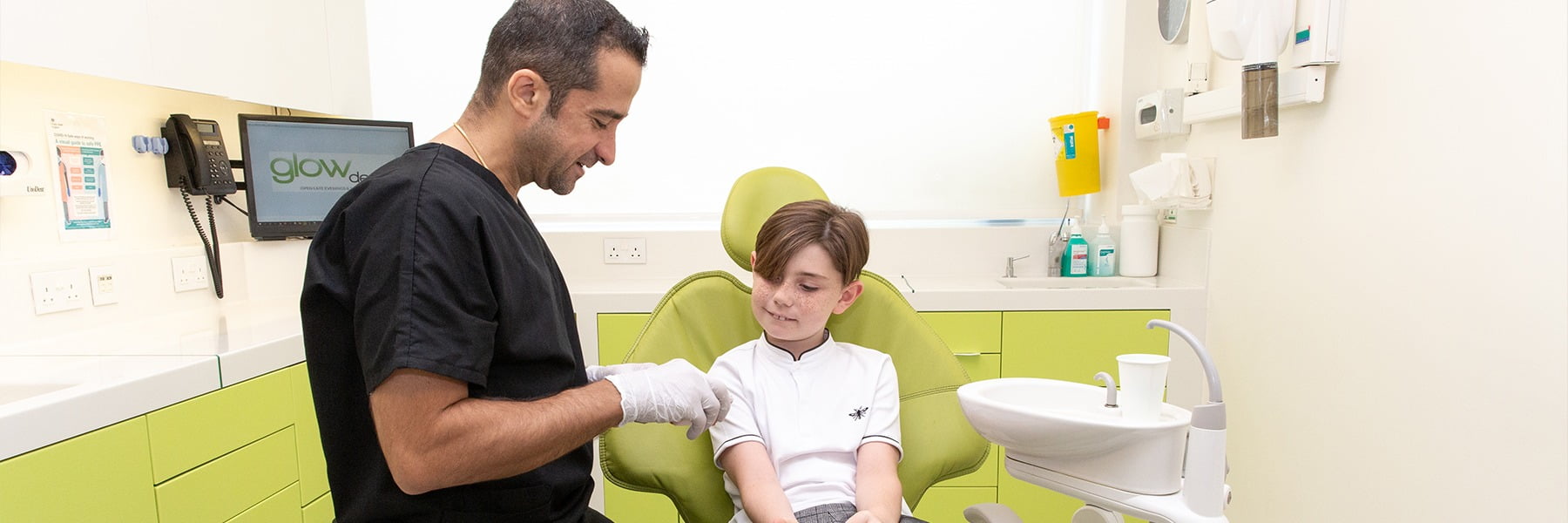
Many patients ask whether dentists are free in the UK. The short answer is: most adults have to pay something towards routine dental treatment, even when the treatment is provided through the NHS or Health Service. However, dental charging rules are not the same throughout the UK. England, Scotland, Wales and Northern Ireland each have…
How often should you go to the dentist? Although many people assume they need a dental check-up every six months, there is no single interval that is right for everyone. Your dentist should recommend how often you need a routine dental examination based on the health of your teeth and gums and your individual risk…
Patients with dental anxiety often ask: can a dentist prescribe diazepam? Yes. A UK dentist can prescribe diazepam when it is clinically appropriate and directly related to dental treatment. However, diazepam is not suitable for every nervous patient, and it should not be viewed as a routine solution for dental anxiety. Depending on the severity…
Patients often ask: can a dentist give you a sick note in the UK? The answer depends on what you mean by a “sick note”. A dentist cannot currently issue the statutory UK Statement of Fitness for Work, usually called a fit note. However, a dentist may be able to provide a letter or other…
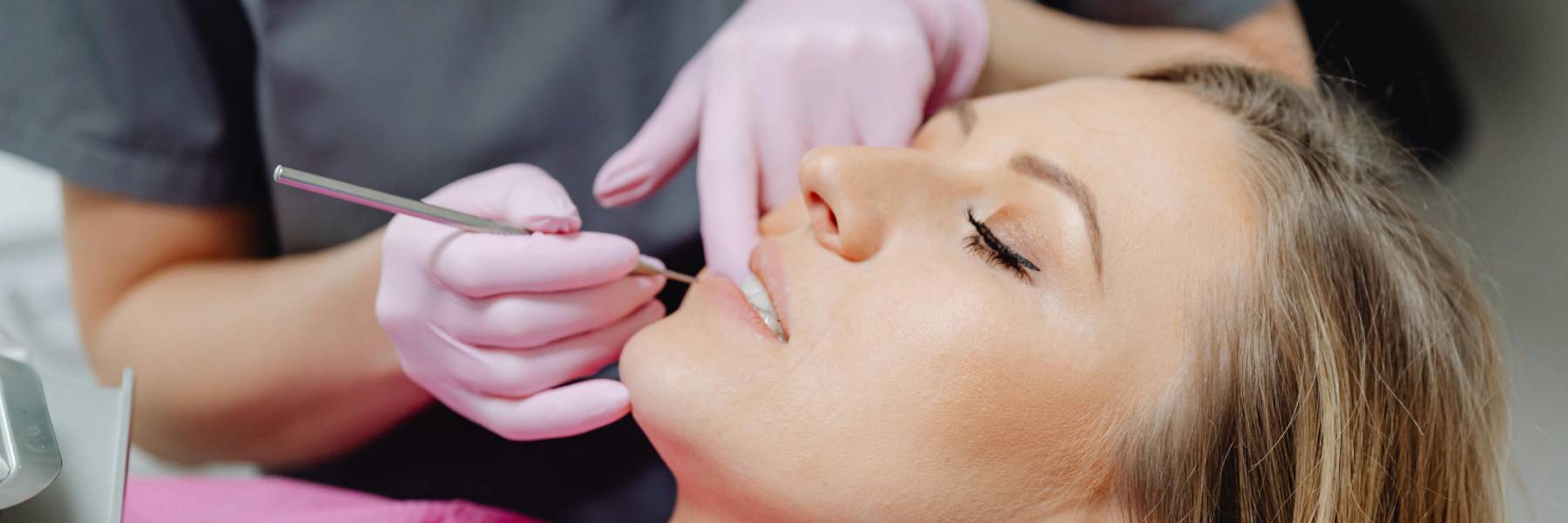
Many people who feel nervous about dental treatment ask: can a dentist put you to sleep? The answer depends on what you mean by “asleep”. In most dental practices, sedation is used to make you feel calm, relaxed and sometimes very drowsy while you remain conscious. Being completely unconscious requires a general anaesthetic, which is…
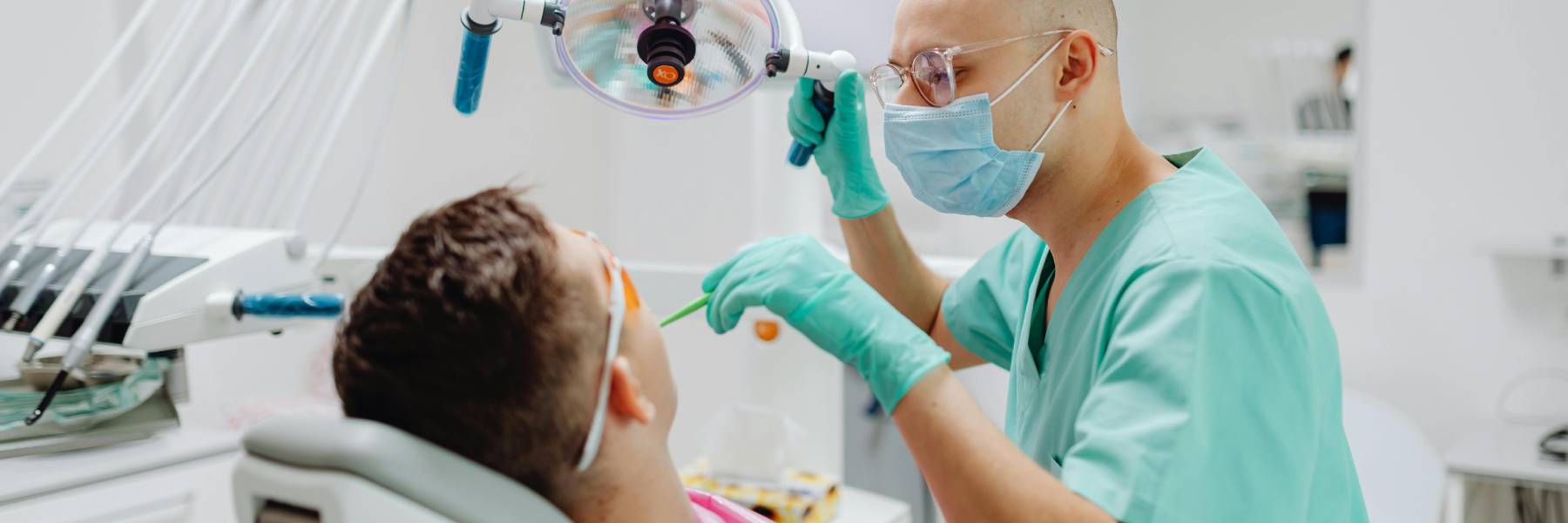
Finding time for a dental appointment during the working week is not always easy, which leads many people to ask: are dentists open on Saturdays? Yes, some dental practices offer Saturday appointments, although weekend opening hours vary considerably between practices. Some may provide routine examinations and treatment on Saturdays, while others open only on weekdays…
If you vape, you may wonder whether your dentist will be able to tell during a routine examination. The most accurate answer is: a dentist may notice signs that are associated with vaping, but they cannot usually tell with certainty that you vape simply by looking inside your mouth. Vaping can affect the gums, saliva,…
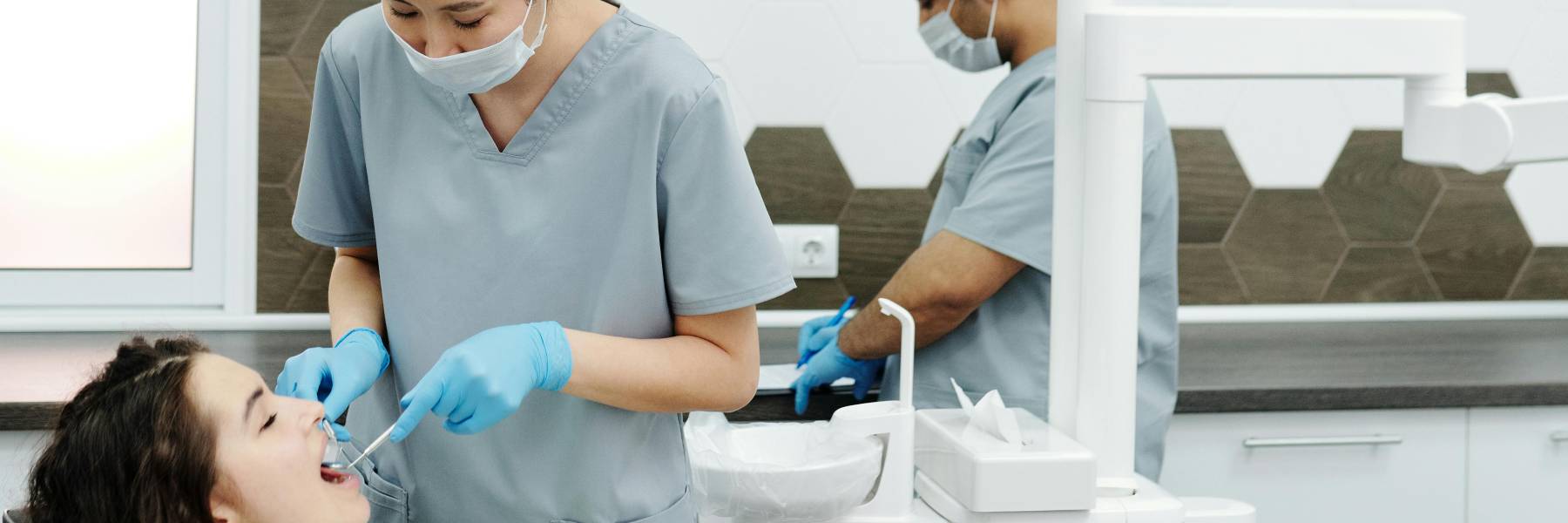
If you are booking a dental check-up in London, you will find a considerable difference between NHS and private fees. However, there is no single “London price” for a dental examination. NHS dental charges are fixed across England, so an NHS check-up costs the same in London as it does elsewhere in England. Private dentists…

Teeth whitening is generally considered safe for suitable patients when it is prescribed and used correctly. However, it is not completely free from side effects. The most common problems are temporary tooth sensitivity and irritation of the gums. Research has also found that peroxide whitening can cause small changes to enamel under certain laboratory conditions,…

Tooth sensitivity is one of the most common side effects of teeth whitening. It can feel like a sudden “zing” or short, sharp pain during treatment or in the hours afterwards, particularly when your teeth are exposed to cold air or drinks. The good news is that whitening sensitivity is usually temporary. It does not…

Teeth whitening can significantly improve many types of tooth staining, but it cannot remove every kind of discolouration. How well whitening works depends on whether the colour is caused by surface staining, changes within the tooth itself, an enamel defect, previous trauma or dental restorations such as fillings, crowns or veneers. Common yellowing caused by…

If you are considering professional teeth whitening, one of the first questions is usually: how much does teeth whitening cost at the dentist? There is no fixed private whitening fee in the UK. The price depends on the whitening system used, whether treatment is carried out mainly at home or includes an in-practice stage, what…

Teeth whitening strips can lighten natural teeth and are generally well tolerated when an appropriate product is used exactly as directed. However, they are not completely risk-free, and the type of whitening strip available to buy directly in the UK is important because peroxide whitening products are regulated according to their strength. Clinical research shows…
Temporomandibular disorders (TMD) are a group of conditions affecting the jaw joints, the muscles used for chewing, or both. They can cause jaw pain, stiffness, headaches, clicking, difficulty opening the mouth and occasionally jaw locking. One of the most common questions patients ask is: how long does TMD last? There is no single recovery time….

Teeth grinding and jaw clenching—collectively known as bruxism—can place considerable forces on the teeth. Over time, this may contribute to tooth wear, chipped or fractured teeth, damaged fillings and crowns, and sensitive or uncomfortable teeth. Some people also experience tired jaw muscles or morning jaw discomfort. A night guard, sometimes called an occlusal guard or…

Endodontic treatment, more commonly called root canal treatment, is used when the soft tissue inside a tooth—the dental pulp—has become irreversibly inflamed or infected. The aim is to remove the affected tissue, disinfect the root canal system, seal the tooth and preserve as much of the natural tooth as possible. The exact procedure varies according…
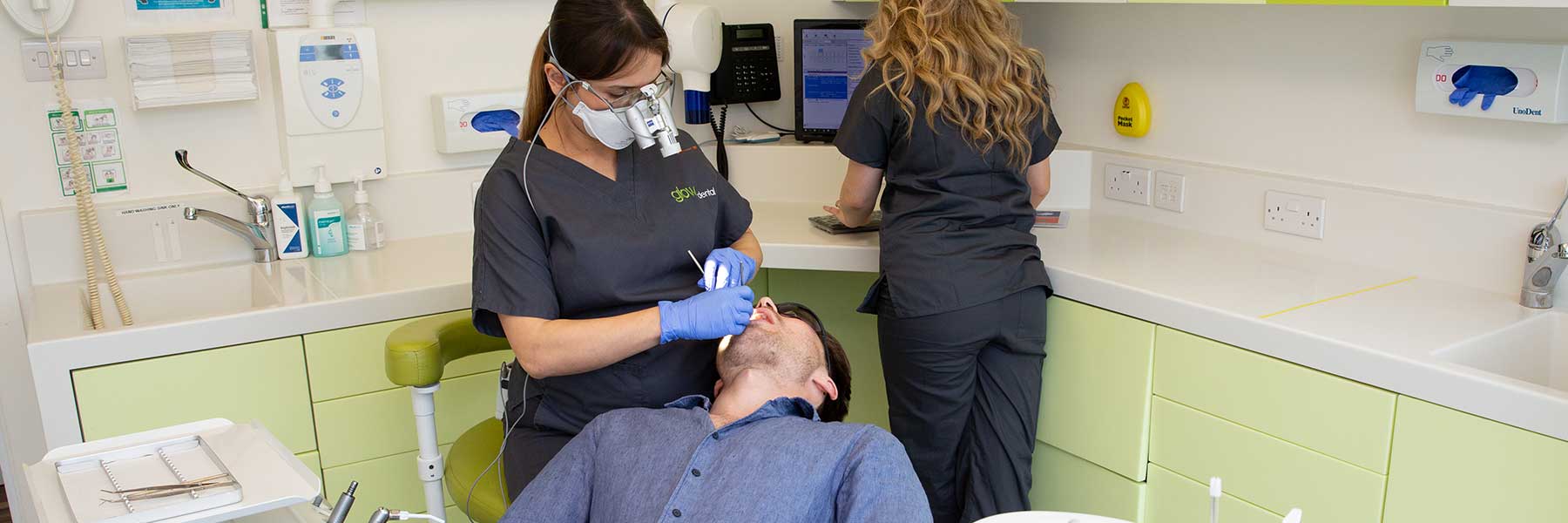
In dentistry, palatal means relating to or facing the palate—the roof of the mouth. When a dentist describes the “palatal surface” of a tooth, they usually mean the inner surface of an upper tooth that faces towards the palate. For example, the surface behind an upper front tooth is its palatal surface. On the lower…
In dentistry, occlusal most commonly refers to the chewing surface of the back teeth—the premolars and molars. These surfaces contain raised areas called cusps and grooves known as pits and fissures, which help the teeth crush and grind food. The word is also used more broadly in relation to occlusion, meaning the way the upper…