Dentine cannot completely grow back once a physical piece of tooth structure has been lost. However, dentine is part of a biologically active pulp-dentine complex and can respond to irritation in several ways. A vital tooth can lay down new dentine internally, some demineralised dentine can potentially remineralise, and dental treatment can protect or replace…
The cost of a dentist appointment in the UK depends on whether you receive NHS or private care, the type of appointment you need and whether any treatment is required. In England, NHS dentistry uses fixed treatment bands, while private dental practices set their own fees. At Glow Dental in Battersea, a standard new-patient examination…

Yes, a dentist can usually remove an infected tooth. In fact, extracting a tooth that cannot be saved is one of the main ways of treating a dental infection because it removes the source of the problem and allows any associated pus to drain. It is a common myth that an infected or abscessed tooth…

Yes, dentists in the UK can prescribe antibiotics when they are needed to treat a dental infection. However, antibiotics are not routinely prescribed for toothache, every abscess or simply because a tooth is infected. Modern dental guidance places strong emphasis on antibiotic stewardship. This means using antibiotics only when there is a clear clinical benefit,…
Choosing a toothpaste should be simple, but supermarket shelves can make it surprisingly confusing. There are toothpastes for whitening, sensitive teeth, gum health, enamel protection and dry mouth, as well as charcoal, herbal, fluoride-free and prescription-strength products. For most people, however, the most important feature is much simpler: choose a toothpaste containing the right amount…

How much toothpaste should you actually put on your toothbrush? Many adverts show a thick ribbon covering the entire brush head, while other advice recommends only a pea-sized amount. The correct answer depends mainly on your age, the fluoride strength of the toothpaste and whether you are using an ordinary or prescription product. For young…
Tooth enamel is the hardest substance in the human body, but it is not indestructible. Acids, tooth decay, grinding and other forms of wear can gradually weaken or remove it. This leads to an important question: if tooth enamel is damaged, can it grow back? The short answer is no — enamel that has been…
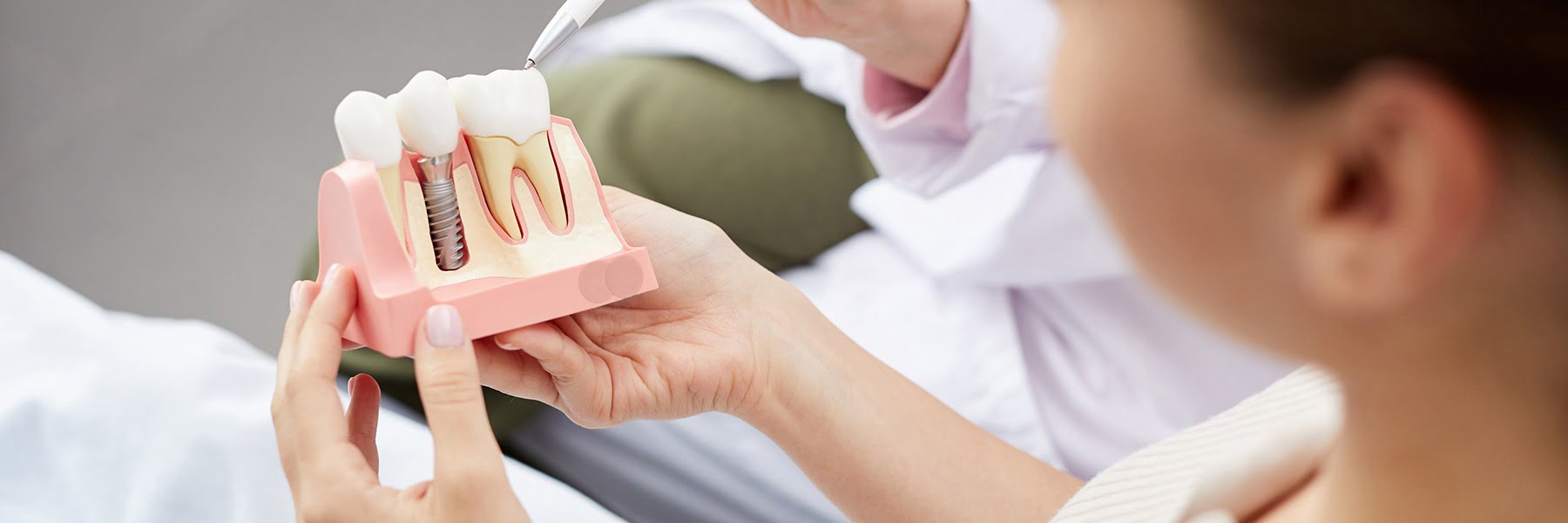
A dental implant does not look like a complete tooth when it is first placed. The actual implant is a small, screw-shaped fixture that sits inside the jawbone and replaces the root of a missing tooth. Once treatment is complete, it supports a natural-looking crown, bridge or denture. For a single missing tooth, the finished…
Dental implants are designed as a long-term way to replace missing teeth, but does that mean they last forever? No dental implant can be guaranteed to last for life. However, modern implants have excellent long-term survival rates, and many remain healthy and functional for decades when they are carefully planned, successfully integrated with the jawbone…
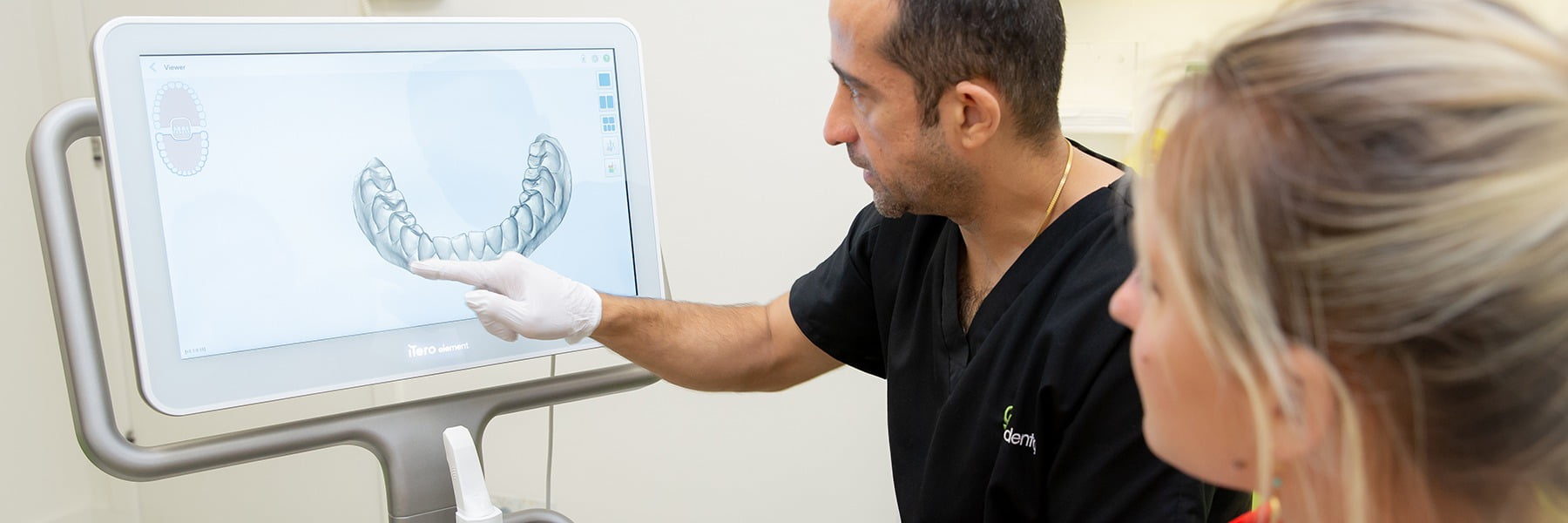
Dental implants are one of the most established ways to replace missing teeth. They can support a single crown, a bridge or a denture and are designed to provide a stable, natural-looking replacement for lost teeth. But because implant treatment involves placing a fixture into the jawbone, patients understandably have questions about safety. Are dental…

Yes. Dentists in the UK can prescribe painkillers when they are needed as part of dental treatment. They can also recommend suitable over-the-counter pain relief and advise you when medication may be unsafe because of your medical history or other medicines you take. However, painkillers are normally only a temporary part of managing dental pain….
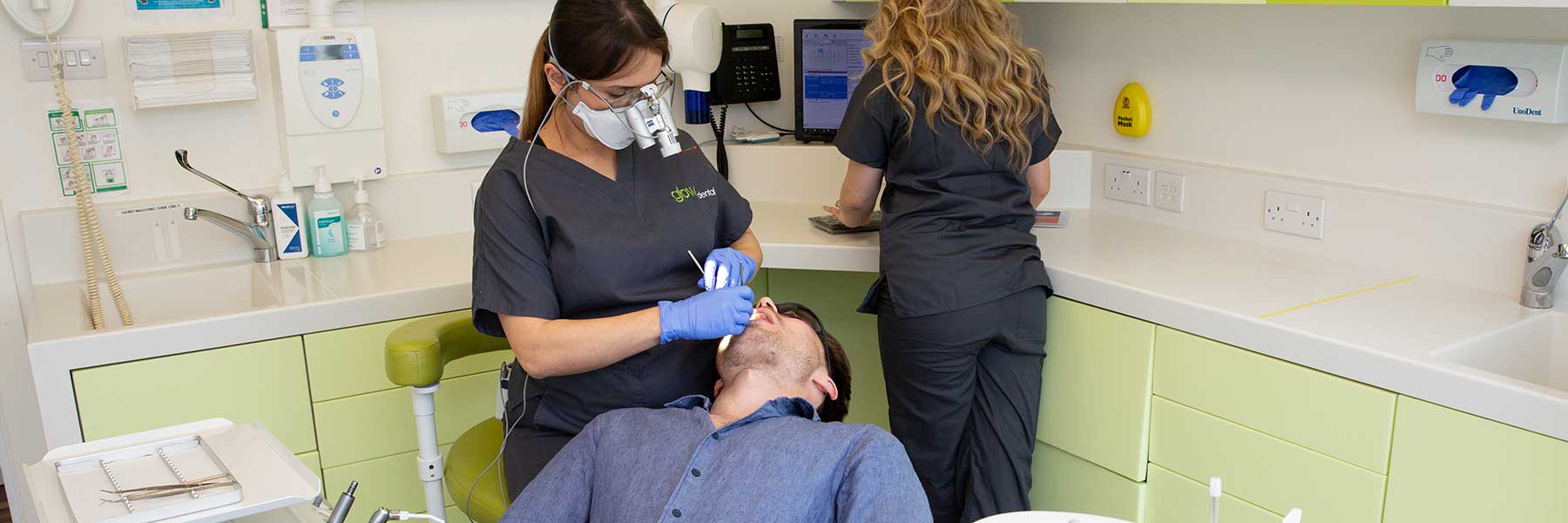
Yes. A dentist can drain a dental abscess when drainage is clinically appropriate. In fact, current UK dental guidance recommends treating most dental abscesses with local measures to achieve drainage and remove the source of the infection wherever possible. However, “draining an abscess” does not always mean making a cut in the gum. Depending on…
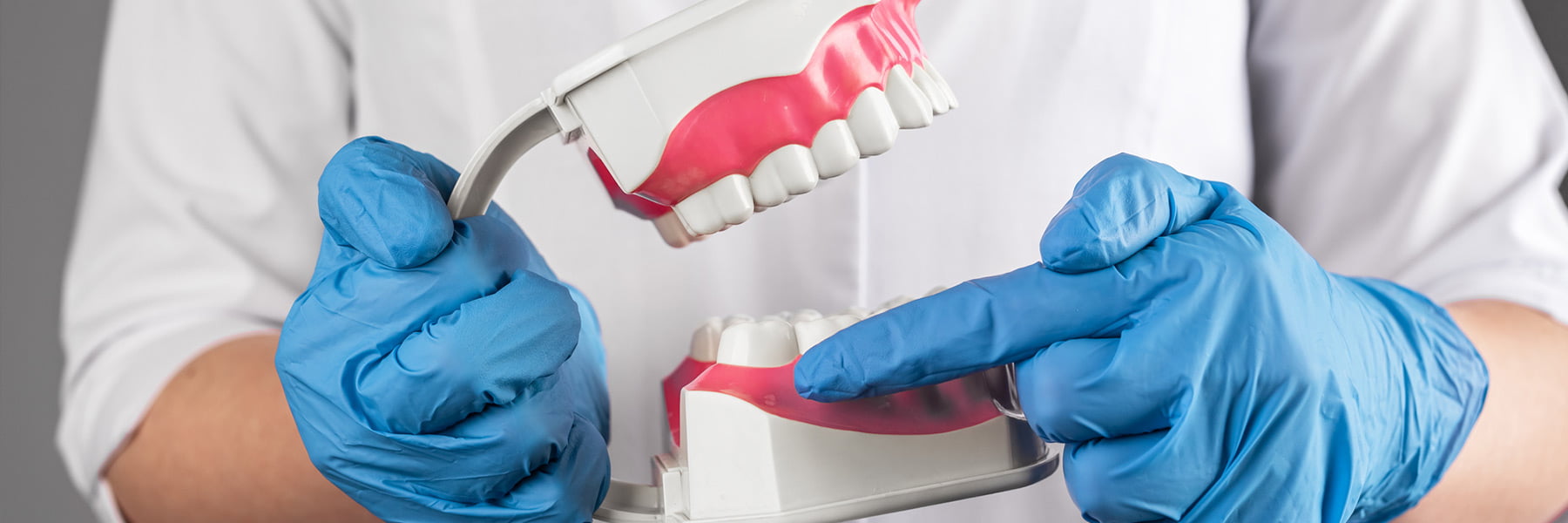
Yes. Dentists and dental hygienists can safely remove tartar from your teeth. Tartar — also called dental calculus — is plaque that has hardened after minerals from saliva become incorporated into it. Once this happens, ordinary brushing and flossing cannot remove it effectively. Professional instruments are needed to remove calculus from above and, where necessary,…

Invisalign uses a series of custom-made clear aligners to gradually move your teeth into their planned positions. Unlike fixed braces, the aligners can be removed for eating, drinking and cleaning your teeth, making them a particularly popular option for adults and teenagers who want a more discreet orthodontic treatment. But what is Invisalign actually like…

Turkey has become a popular destination for people considering dental implants, largely because treatment can be advertised at substantially lower prices than in the UK. But are dental implants in Turkey safe? Having dental treatment in Turkey is not automatically unsafe, and there are appropriately qualified dentists and regulated healthcare facilities in the country. However,…

Yes, teeth whitening can often be carried out during Invisalign treatment — but it should be planned with your dentist rather than simply adding whitening gel to your aligners yourself. Many patients choose Invisalign because they want to improve their smile discreetly, so it is understandable that they also want their teeth to look brighter…

Dental veneers can transform the shape, colour and proportions of teeth, making them a popular option for people who want to improve chips, uneven teeth, stubborn discolouration, small gaps or other cosmetic concerns. However, veneers are a significant investment and, in many cases, involve permanently altering the natural tooth. Before deciding whether they are worth…
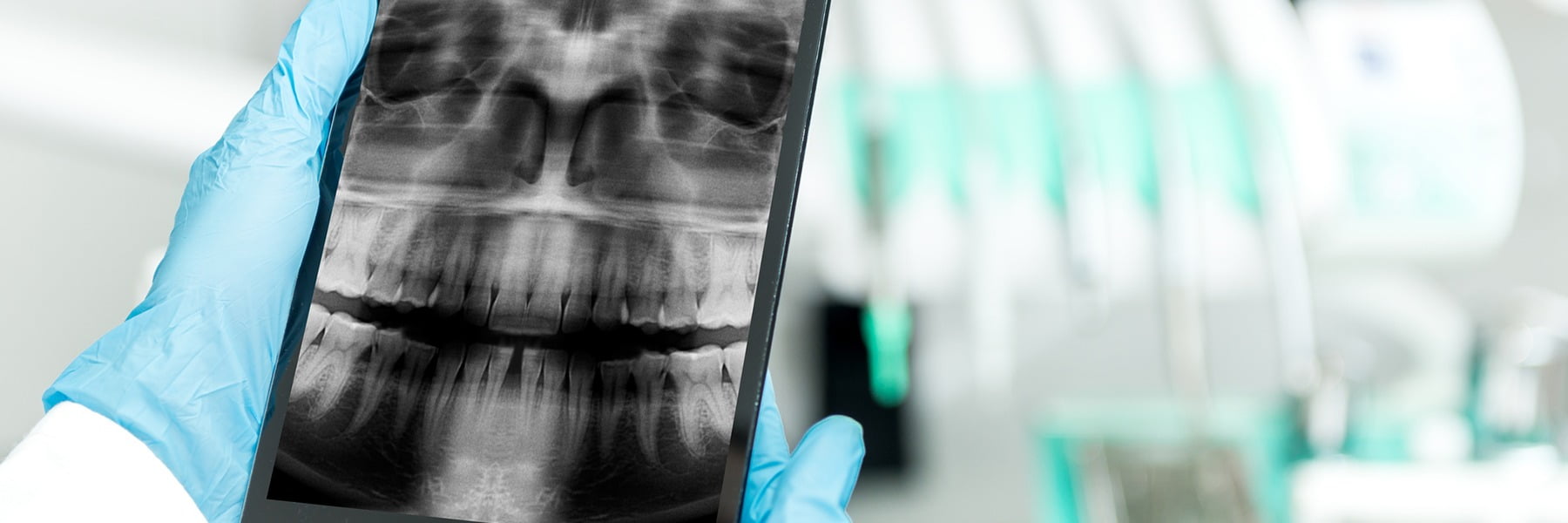
Dental X-rays allow your dentist to see areas of your teeth, roots and jawbone that cannot be examined simply by looking inside your mouth. They can reveal early tooth decay between teeth, infections around tooth roots, bone loss caused by gum disease, impacted wisdom teeth and many other problems that may otherwise remain hidden. However,…