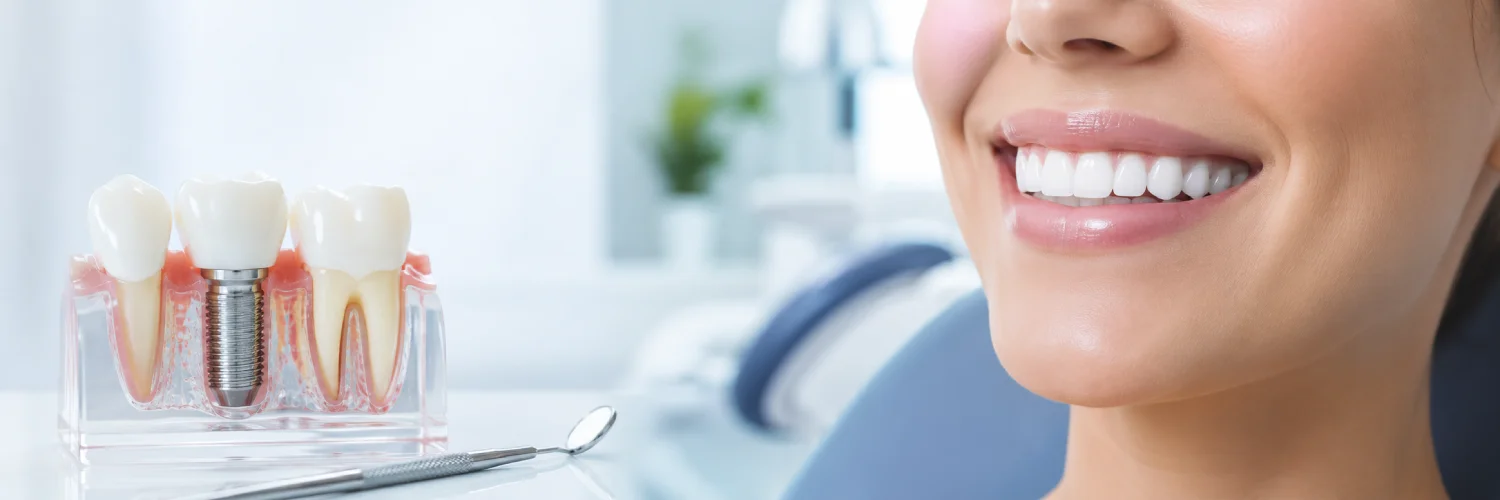
If you are missing one or more teeth, you may be wondering, “How many dental implants can you have?” There is no single maximum number that applies to every patient. The number you may need depends on how many teeth are being replaced, whether the final restoration will be fixed or removable, the condition of…
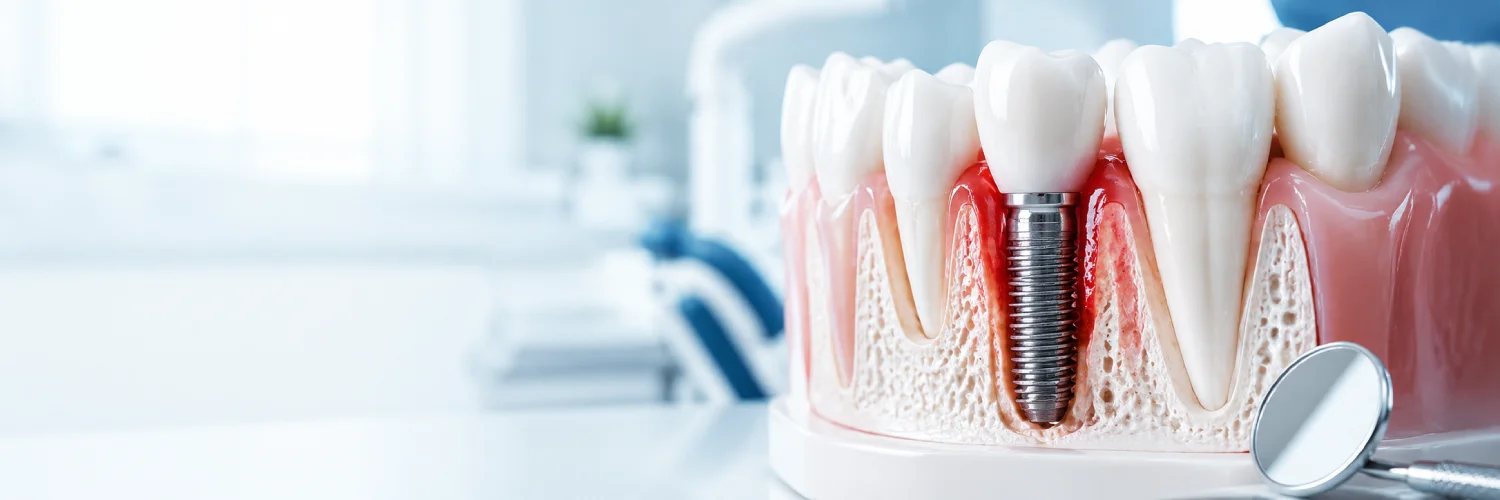
If you are considering dental implants or already have one, you may be wondering, “Can dental implants get infected?” Yes. The gum and bone surrounding a dental implant can develop inflammation caused by bacterial plaque. The early stage is known as peri-implant mucositis, which affects the soft gum tissue around the implant. A more advanced…
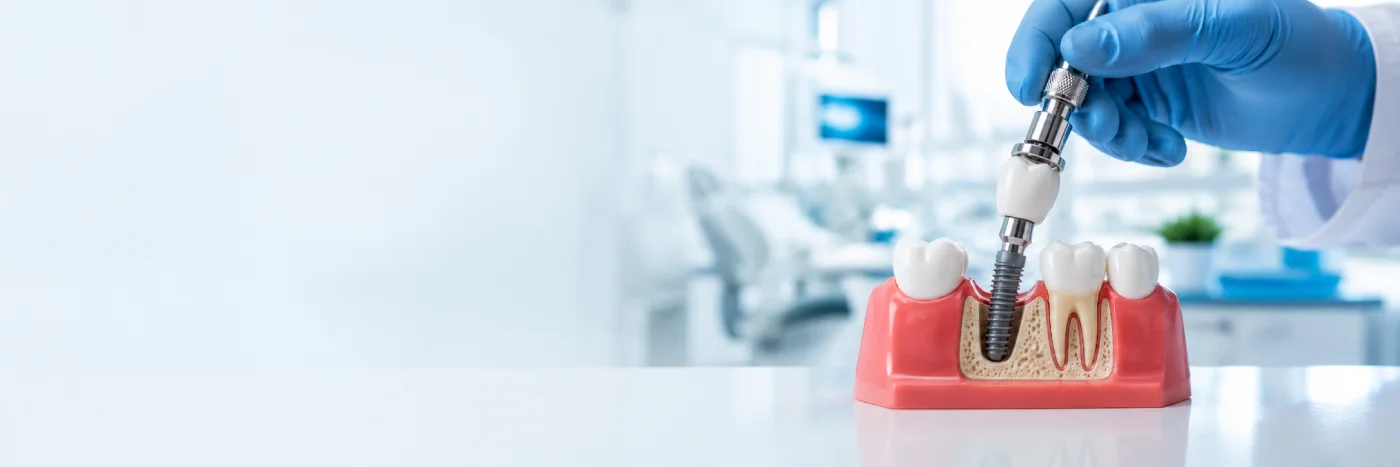
If you already have a dental implant or are considering treatment, you may be wondering, “Can dental implants be removed?” Yes, a dental implant can be removed when necessary, although implants are designed to provide a long-term replacement for missing teeth and removal is not usually required. If a problem develops, your dentist will first…

If you are considering dental implant treatment, you may have come across information online asking, “Can dental implants cause cancer?” The reassuring answer is that current scientific evidence has not established that dental implants cause oral cancer. Dental implants have been used for several decades and are widely accepted as a predictable treatment for replacing…
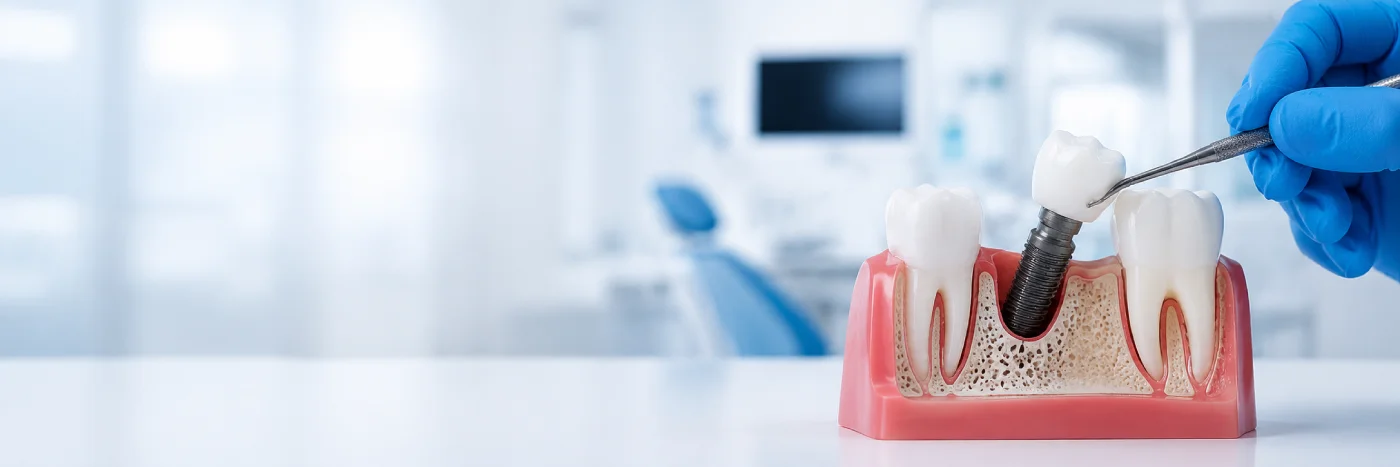
One of the most common concerns patients have before treatment is, “Can dental implants fall out?” The reassuring answer is that a properly integrated dental implant should remain securely positioned within the jawbone. However, an implant can occasionally become loose or fail, particularly if it does not integrate during healing or later loses support from…

One of the most common questions patients ask before treatment is, “Are dental implants painful?” Dental implant placement is normally carried out under local anaesthetic, so you should not feel sharp pain during the procedure. You may still be aware of pressure, vibration or movement while the implant is being placed. Some soreness, swelling or…

If you are considering replacing a missing tooth, one of the first questions you may ask is: how much do dental implants cost? At Glow Dental in Battersea, a single dental implant placement including the final crown starts from £3,450. The final cost depends on your individual needs, the condition of your gums and jawbone,…

Composite bonding is a conservative cosmetic dental treatment that uses tooth-coloured resin to alter the shape, length or appearance of a tooth. It may be used to repair chips, close small gaps, reshape uneven teeth, restore worn edges and create a more balanced-looking smile. At Glow Dental in Battersea, we are regularly asked about the…

Composite bonding is generally suitable for adults with healthy teeth and gums who want to improve small chips, minor gaps, worn edges, uneven tooth shapes or selected areas of discolouration. It may not be suitable if you have untreated decay, active gum disease, severe tooth wear, significant bite problems or uncontrolled teeth grinding. Because every…
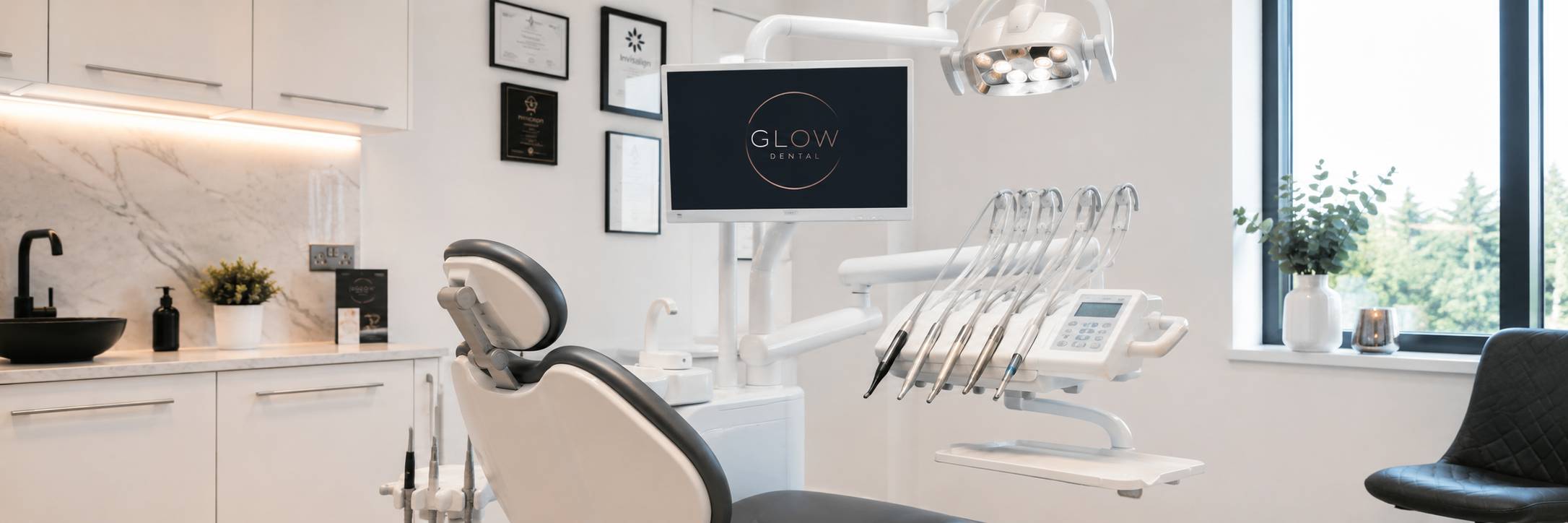
If you are searching for composite bonding near you, choosing the right cosmetic dentist is just as important as choosing the treatment itself. Composite bonding requires careful planning, attention to detail and an understanding of natural tooth proportions. At Glow Dental, our cosmetic dental team provides personalised composite bonding in Battersea, helping patients improve chipped,…
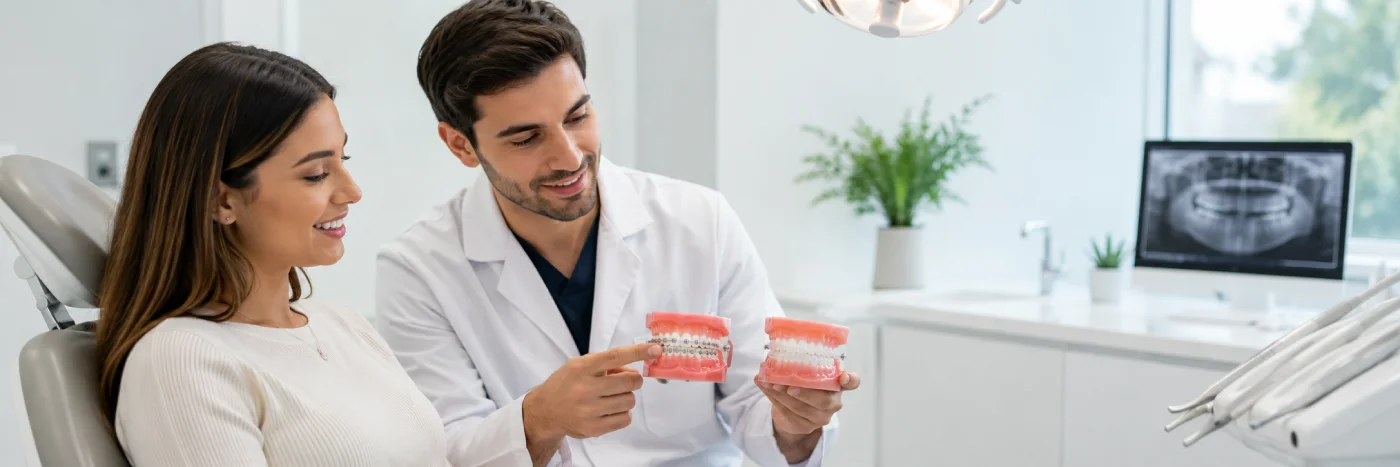
Metal braces and ceramic braces are both fixed orthodontic treatments used to straighten teeth and improve the bite. They work in a similar way, using brackets and wires to apply controlled pressure and gradually move the teeth into a better position. The main difference is appearance. Metal braces use stainless steel brackets and are more…
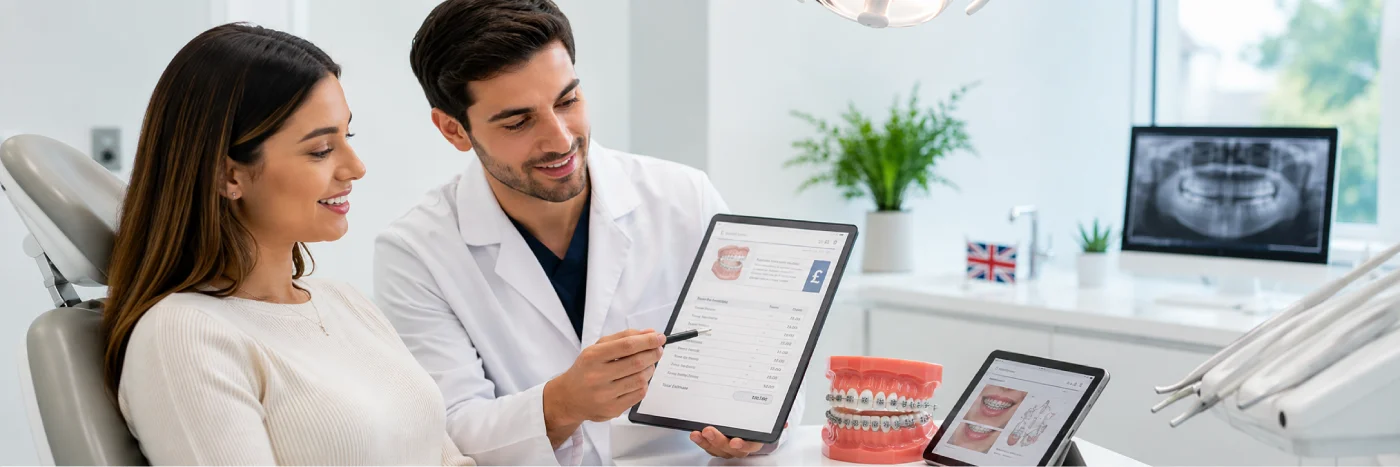
Metal braces in the UK usually cost several thousand pounds when provided privately. The final price depends on the complexity of the case, whether one or both arches need treatment, the expected treatment time and what is included in the orthodontic package. As a broad guide, private orthodontic treatment in the UK commonly costs between…

Veneers can be worth it for patients who want a significant, long-lasting improvement to the appearance of their smile and have healthy teeth and gums. They can improve chipped teeth, worn edges, stubborn discolouration, small gaps, uneven shapes and minor cosmetic alignment concerns. However, veneers are not the right treatment for everyone, and they should…

Veneers are often described as permanent, but this does not mean that the veneer itself will last forever. The treatment may be considered permanent because traditional porcelain veneers often require a small amount of natural enamel to be removed. Enamel does not grow back, so a prepared tooth will usually need to remain covered by…
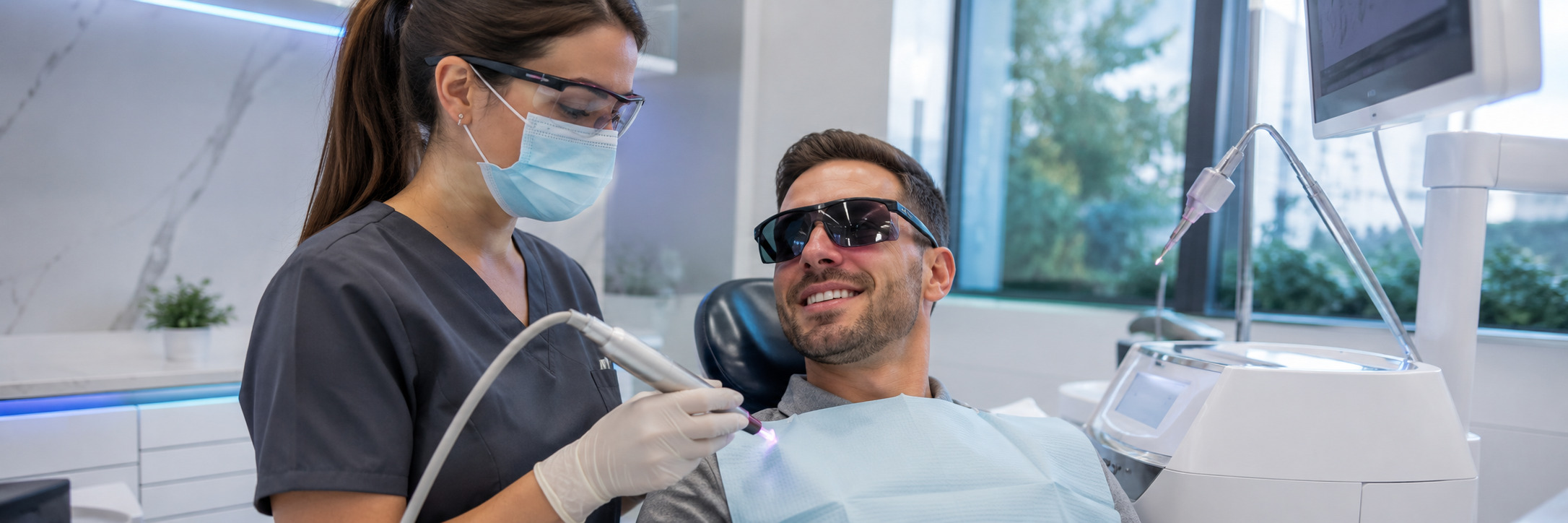
The phrase “laser teeth cleaning” can be misleading because it is not the name of one standard dental procedure. It usually refers to the use of a dental laser alongside conventional cleaning or periodontal treatment. Laser-assisted treatment may be worthwhile for selected patients with gum disease, inflamed gum tissue or persistent periodontal pockets. However, it…
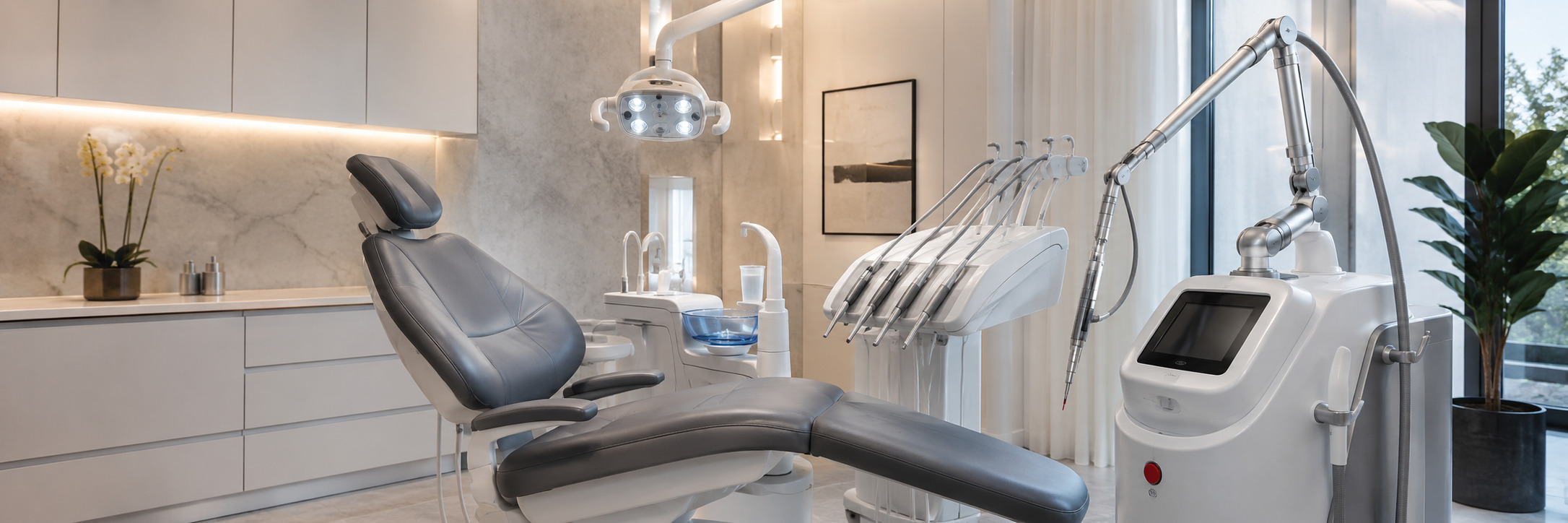
Laser dentistry uses concentrated light energy to carry out or support selected dental procedures. Depending on the laser system, wavelength and settings, a dentist may use it to treat certain soft tissues, remove selected areas of hard tissue, control bleeding or support bacterial reduction. Dental lasers do not all work in the same way. Different…
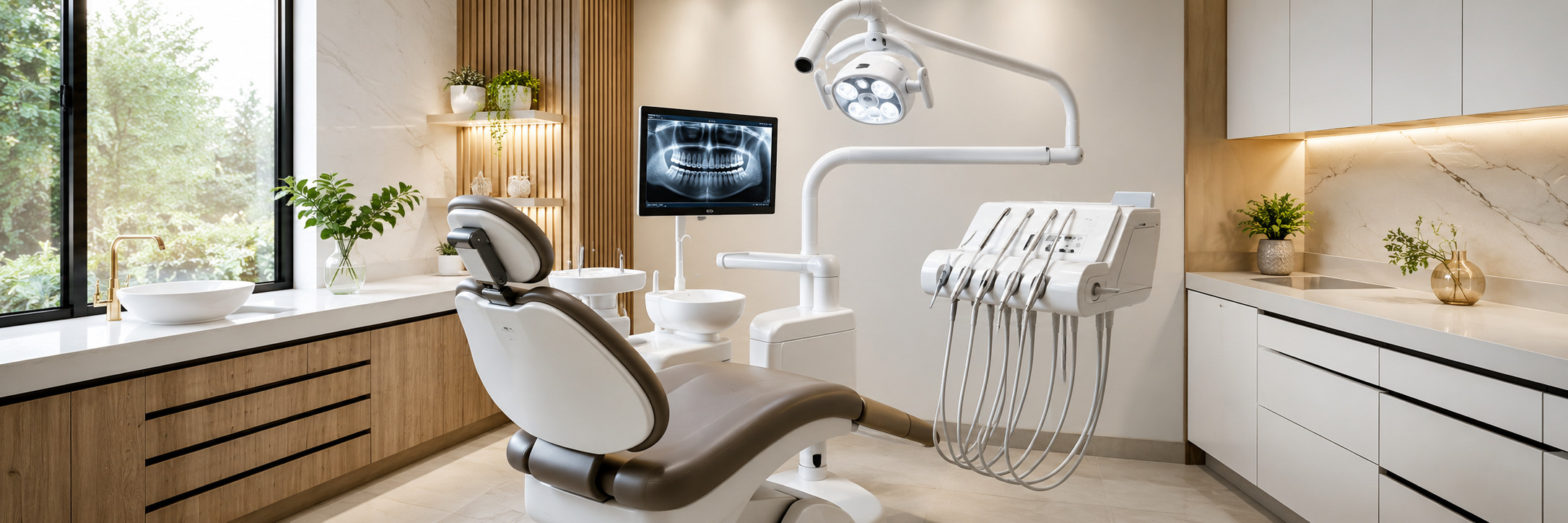
Composite bonding can be worth considering for patients who want to correct relatively small cosmetic concerns while preserving as much natural tooth structure as possible. It may be used to repair minor chips, smooth uneven edges, close small gaps, improve tooth proportions or disguise limited areas of discolouration. The treatment is usually quicker and lower…
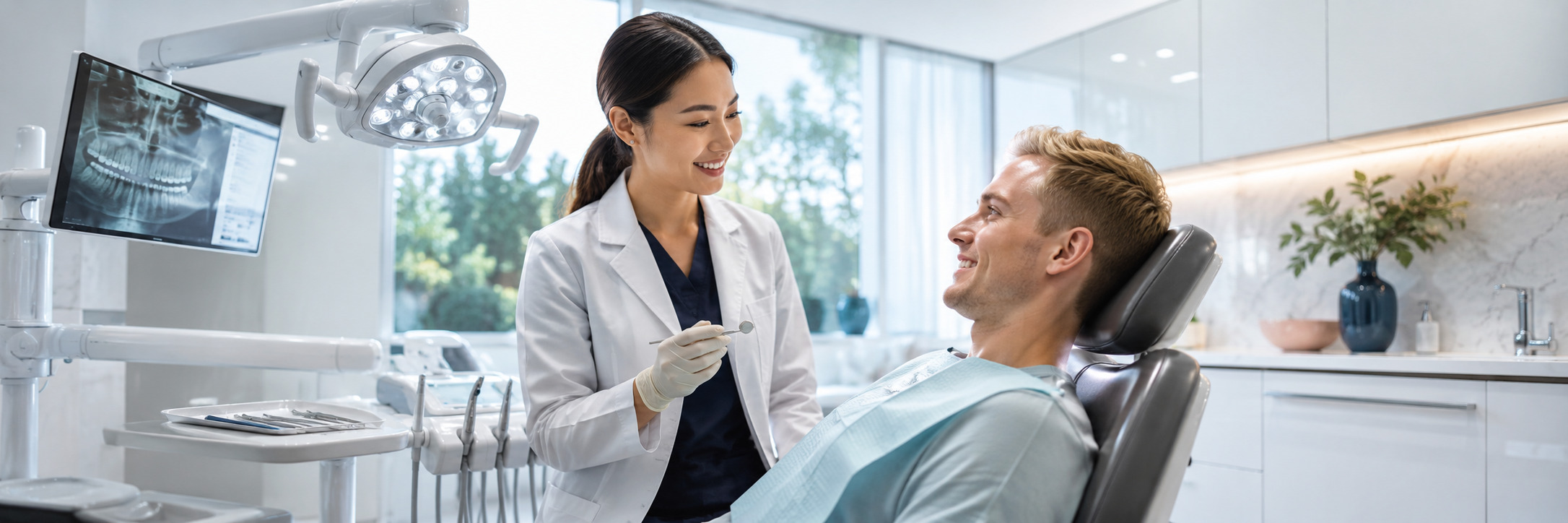
Composite bonding is generally considered a conservative cosmetic dental treatment. In many cases, it can improve the shape, proportions or appearance of teeth while requiring little or no removal of healthy enamel. However, this does not mean that bonding is completely risk-free or that every bonded tooth can later be returned to its exact original…