Patients with dental anxiety often ask: can a dentist prescribe diazepam? In the UK, the answer is yes—but only in specific circumstances and under strict rules. What is diazepam? Diazepam is a benzodiazepine medicine that can reduce anxiety, relax muscles, and cause drowsiness. In dentistry, it is sometimes used to help very anxious patients feel…
Patients often ask: can a dentist give a sick note in the UK? The answer is yes—but only in certain situations, and there are limits on what a dentist can and cannot provide. What is a “sick note” in the UK? In the UK, a “sick note” usually means a Statement of Fitness for Work,…
Can a Dentist Put You to Sleep? Many people feel nervous about dental treatment and ask: can a dentist put you to sleep? The answer is yes—but it depends on what you mean by “sleep”, the type of treatment, and whether sedation is suitable for you. Dentists can use different levels of sedation to help…

Are Dentists Open on Saturdays? Many people ask this when trying to fit dental care around work, school, or a busy weekday schedule: are dentists open on Saturdays? The answer is yes—some dentists are, but opening hours and availability vary between practices. Are dentists usually open on Saturdays? Not all dental practices open on Saturdays,…

Many patients wonder before a dental appointment: can a dentist tell if you vape? The short answer is yes—often they can, even if you don’t mention it. Vaping can cause noticeable changes to your gums, teeth, saliva, and soft tissues that dentists are trained to spot. How Can a Dentist Tell If You Vape? Dentists…
If you’re booking a dentist check-up in London, cost is often the first thing people want to understand. Prices can vary significantly depending on whether you choose NHS or private dentistry, where the practice is located, and what the appointment includes. This guide explains typical London prices and why many patients choose a private check-up—especially…

Teeth whitening is one of the most common cosmetic dental treatments, and it is generally considered safe when it is done properly. But “safe” does not mean “risk-free.” Whitening can cause side effects, and in some situations it can contribute to real damage. The key is understanding what whitening can and cannot do, what the…

Tooth sensitivity is the most common side effect of teeth whitening. Many people notice short, sharp sensations during or after treatment, especially when eating or drinking something cold. While this can be uncomfortable, it is usually temporary and manageable. This article explains why sensitivity happens during whitening, how long it should last, and what you…

Teeth whitening is designed to lighten the colour of natural teeth, but it does not remove all stains in the same way. Whether whitening works depends on the type of stain, how deep it is, and the overall health of your teeth. This article explains which stains respond well to whitening, which do not, and…

Teeth whitening at the dentist is a popular cosmetic treatment for patients who want a brighter smile in a safe and controlled way. The cost of professional whitening depends on the type of treatment, how quickly results are achieved, and whether whitening is done at home, in the practice, or as a combination of both….

Teeth whitening strips can be safe for many adults when they are used exactly as instructed and the teeth and gums are healthy. Most problems happen when people use strips too often, leave them on too long, or buy unknown “strong” products online. This article explains what whitening strips do, the most common side effects,…
How Long Does Temporomandibular Disorder (TMD) Last? Temporomandibular disorder (TMD) affects the jaw joint (TMJ) and the muscles around it. It can cause pain, clicking, stiffness, headaches and difficulty opening the mouth. One of the most common questions patients ask is: “How long will this last?” The honest answer is: it depends. For many people,…

Night Guards: How They Protect Your Teeth and Relieve Dental Problems Teeth grinding and jaw clenching are very common — especially at night, when you may not realise it’s happening. Over time, this can lead to worn teeth, headaches, jaw pain and broken dental work. At Glow Dental, we often recommend a custom-made night guard…

Endodontic treatment, commonly known as a root canal, is a dental procedure that removes infected or damaged tissue (pulp) from inside the tooth. The goal is to eliminate infection, relieve pain, and preserve the tooth’s structure so it can continue to function. Although the term “root canal” is often used casually, it actually refers to…
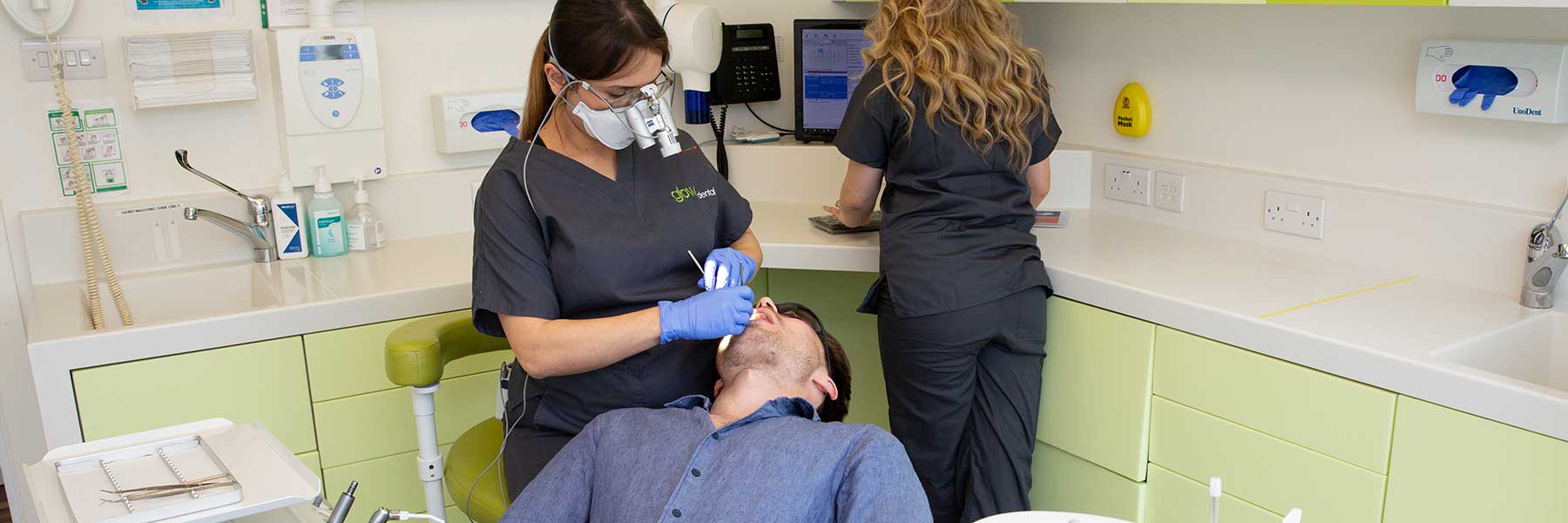
In dentistry and oral anatomy, the word palatal refers to the palate, or the roof of the mouth. When something is described as “palatal,” it means it is located on or toward the palate — the inner surface of the upper jaw facing the tongue. The palatal side of the teeth is opposite the buccal…
In dentistry, the term occlusal refers to the chewing or biting surface of the back teeth — the molars and premolars. This is the part of the tooth that comes into contact with the opposing tooth when you close your mouth or chew. The word comes from “occlusion,” meaning “contact” or “the act of closing.”…
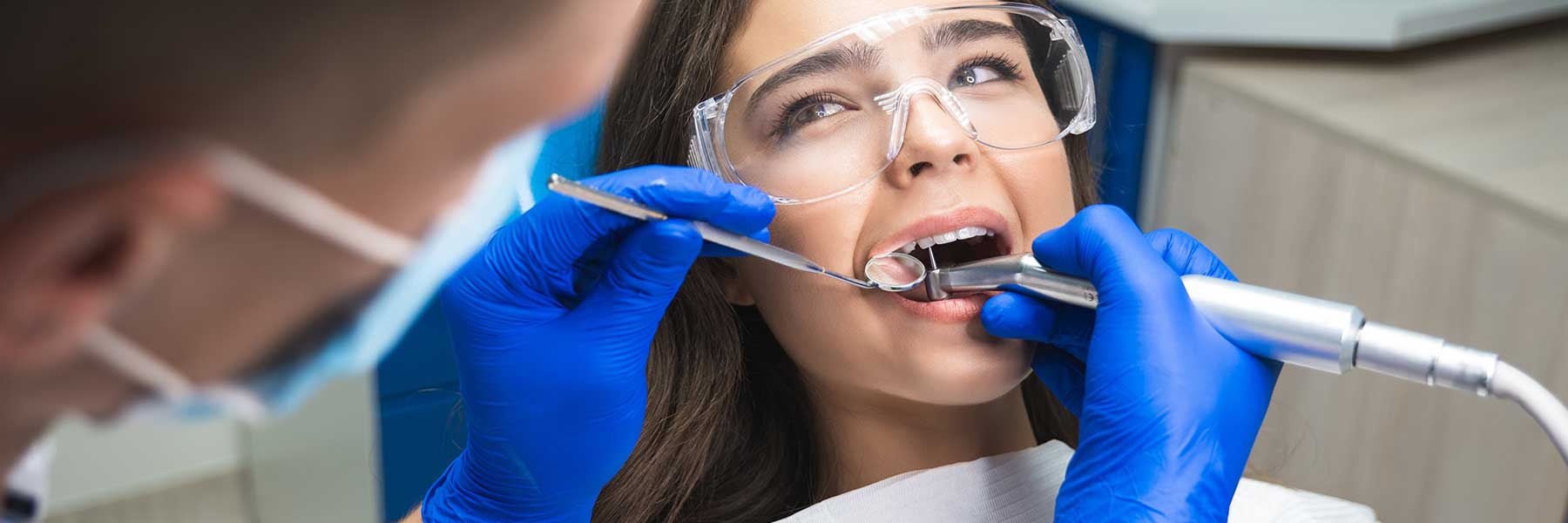
The periodontium is the group of tissues that surround and support each tooth. It includes the gingiva (gums), periodontal ligament, cementum, and alveolar bone. Together, these structures keep your teeth stable and protect them from infection and trauma. When any part of this system becomes inflamed or damaged, it is referred to as a disease…
Many people use the words gingiva and gums as if they mean the same thing, and in everyday conversation they often do. However, in dental anatomy, the term gingiva has a more precise meaning. All gingiva is gum tissue, but not all gum tissue qualifies as true gingiva. Understanding this distinction helps explain the structure,…